


Items filtered by date: April 2023
Relief From a Plantar Fibroma
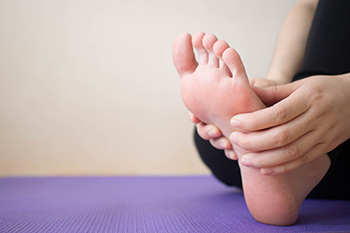
Pain in the arch of the foot may indicate a plantar fibroma has developed. It is defined as a growth that develops on the plantar fascia, which is the portion of tissue that connects the heel to the toes. A plantar fibroma is found on the sole of the foot and may cause discomfort, although it is generally benign. The majority of fibromas often measure less than one inch, causing pain and discomfort as a result of the pressure that is exerted on the nerves. There may be existing medical conditions that can lead some patients to develop a plantar fibroma. These can include diabetes, excessive alcohol use disorder, or possibly epilepsy. After a diagnosis is performed, which consists of having an X-ray or MRI taken, treatment can begin. Mild relief may be found when the symptoms are managed by wearing custom-made orthotics or taking pain medication. If you have a plantar fibroma, it is suggested that you confer with a podiatrist who can offer you the correct treatment, which may include minor surgery for permanent removal.
A plantar fibroma may disrupt your daily activities. If you have any concerns, contact Mark Poplawski, DPM of Jersey Shore Podiatry, LLC. Our doctor can provide the care you need to keep you pain-free and on your feet.
Plantar Fibroma
A plantar fibroma is a fibrous knot in the arch of the foot. It is embedded in the plantar fascia which is a band of tissue that extends from the heel to the toes along the bottom of the foot. There can be multiple plantar fibromas in the feet at the same time. There are no known causes for this condition. If you have a plantar fibroma, there will be a bump in the arch of your foot that cannot be missed. Any associated pain is most often due to a shoe rubbing against the nodule. Non-surgical options, such as steroid injections, physical therapy, and orthotics should be tried first. Surgery is a last resort and is the only thing that will remove a plantar fibroma entirely. Consult with a podiatrist for a proper diagnosis and to determine the treatment regimen that is right for you.
What Causes a Plantar Fibroma?
While there are no specific causes identified, a plantar fibroma can possibly come from genetic predisposition or the formation of scar tissue that forms from healing the tears in the plantar fascia.
What Are the Symptoms of a Plantar Fibroma?
There will be a noticeable lump in the arch of the foot that may or may not cause pain. If pain is felt, it is typically because a shoe is rubbing up against the lump or when walking or standing barefoot.
Treatment and Prevention
A plantar fibroma will not disappear without treatment, but it can get smaller and be a non-issue. If pain persists, a podiatrist examines the foot and when the arch of the foot is pressed, pain can be felt down to the toes. An MRI or biopsy might be performed to help diagnose or evaluate the plantar fibroma. The following non-surgical options are generally enough to reduce the size and pain of these nodules:
- Steroid injections
- Orthotics
- Physical therapy to help apply anti-inflammatory creams on the bump
Surgery is considered if the mass increases in size and the patient continues to feel pain after non-surgical methods are tried.
If you have any questions, please feel free to contact our office located in Toms River, NJ . We offer the newest diagnostic and treatment technologies for all your foot care needs.
Many Reasons to Incur an Achilles Tendon Injury
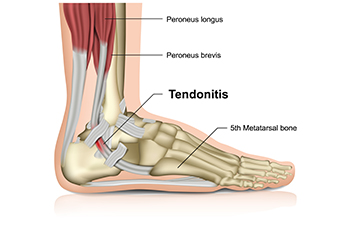
An Achilles tendon injury can cause severe pain and discomfort, and it may be difficult to walk. This tendon connects the calf muscles to the heel, which can become injured for various reasons. It is considered to be the strongest tendon in the body, and provides the ability to walk, run, and jump. A common reason for this type of injury to occur can be from increasing speed and distance too quickly while running, or from experiencing a trauma. This can consist of getting a deep cut over the tendon, possibly causing it to tear. Additionally, people who do not warm up and cool down properly before and after exercising may be prone to developing an Achilles tendon injury. Taking certain antibiotics, and becoming older may also lead to having this injury. Relief may be found when the foot is frequently elevated, and the activity that caused the pain is temporarily stopped. If you have this type of affliction, it is suggested that you contact a podiatrist who can effectively treat an Achilles tendon injury.
Achilles tendon injuries need immediate attention to avoid future complications. If you have any concerns, contact Mark Poplawski, DPM of Jersey Shore Podiatry, LLC. Our doctor can provide the care you need to keep you pain-free and on your feet.
What Is the Achilles Tendon?
The Achilles tendon is a tendon that connects the lower leg muscles and calf to the heel of the foot. It is the strongest tendon in the human body and is essential for making movement possible. Because this tendon is such an integral part of the body, any injuries to it can create immense difficulties and should immediately be presented to a doctor.
What Are the Symptoms of an Achilles Tendon Injury?
There are various types of injuries that can affect the Achilles tendon. The two most common injuries are Achilles tendinitis and ruptures of the tendon.
Achilles Tendinitis Symptoms
- Inflammation
- Dull to severe pain
- Increased blood flow to the tendon
- Thickening of the tendon
Rupture Symptoms
- Extreme pain and swelling in the foot
- Total immobility
Treatment and Prevention
Achilles tendon injuries are diagnosed by a thorough physical evaluation, which can include an MRI. Treatment involves rest, physical therapy, and in some cases, surgery. However, various preventative measures can be taken to avoid these injuries, such as:
- Thorough stretching of the tendon before and after exercise
- Strengthening exercises like calf raises, squats, leg curls, leg extensions, leg raises, lunges, and leg presses
If you have any questions please feel free to contact our office located in Toms River, NJ . We offer the newest diagnostic tools and technology to treat your foot and ankle needs.
First Sign of Toenail Fungus
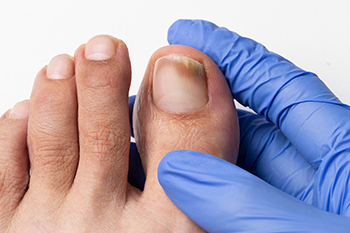
Toenail fungus is a common foot condition. It is unsightly and contagious and is caused by a fungus that lives and thrives in warm and moist environments. Places such as public swimming pools, locker rooms, and shower room floors are examples of where this type of fungus can live. It is beneficial to wear appropriate shoes while in these areas, in addition to refraining from sharing socks, shoes, and towels. One of the first signs toenail fungus is developing is often a white spot on the nail. If prompt treatment is not received, the nail can become thick and brittle and may crumble and fall off. This condition often begins with the big toenail, and can gradually spread to the other nails. It may also spread to the skin on the feet, possibly indicating athlete's foot may have started. If you see the beginning signs of toenail fungus, it is strongly suggested that you confer with a podiatrist as quickly as possible who can offer you the correct treatment options, which may include prescribed medication.
For more information about treatment, contact Mark Poplawski, DPM of Jersey Shore Podiatry, LLC. Our doctor can provide the care you need to keep you pain-free and on your feet.
Toenail Fungus Treatment
Toenail fungus is a condition that affects many people and can be especially hard to get rid of. Fortunately, there are several methods to go about treating and avoiding it.
Antifungals & Deterrence
Oral antifungal medicine has been shown to be effective in many cases. It is important to consult with a podiatrist to determine the proper regiment for you, or potentially explore other options.
Applying foot powder on the feet and shoes helps keep the feet free of moisture and sweat.
Sandals or open toed shoes – Wearing these will allow air movement and help keep feet dry. They also expose your feet to light, which fungus cannot tolerate. Socks with moisture wicking material also help as well.
If you have any questions please feel free to contact our office located in Toms River, NJ . We offer the newest diagnostic tools and technology to treat your foot and ankle needs.
Foot Pain and Dehydration
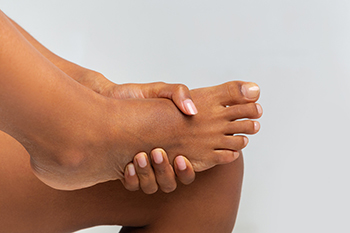
Foot pain, whether mild or severe, can be a significant disruption and annoyance for many patients. Foot pain can have many different potential causes. One overlooked, yet serious, cause of foot pain is dehydration. When the human body becomes dehydrated and lacks water, then the muscles in the feet can spasm or cramp as a result. The body can become dehydrated for a variety of different reasons, such as lack of water or loss of fluids. Muscle cramps in the feet can cause a range of symptoms. Specifically, they can cause sharp painful sensations, as well as swelling of some sort. If you are someone that struggles with foot pain and cramps from dehydration, then it is highly suggested that you consult with a podiatrist who will be able to address any concerns that you might have and provide proper treatment.
Foot Pain
Foot pain can be extremely painful and debilitating. If you have a foot pain, consult with Mark Poplawski, DPM from Jersey Shore Podiatry, LLC. Our doctor will assess your condition and provide you with quality foot and ankle treatment.
Causes
Foot pain is a very broad condition that could be caused by one or more ailments. The most common include:
- Bunions
- Hammertoes
- Plantar Fasciitis
- Bone Spurs
- Corns
- Tarsal Tunnel Syndrome
- Ingrown Toenails
- Arthritis (such as Gout, Rheumatoid, and Osteoarthritis)
- Flat Feet
- Injury (from stress fractures, broken toe, foot, ankle, Achilles tendon ruptures, and sprains)
- And more
Diagnosis
To figure out the cause of foot pain, podiatrists utilize several different methods. This can range from simple visual inspections and sensation tests to X-rays and MRI scans. Prior medical history, family medical history, and any recent physical traumatic events will all be taken into consideration for a proper diagnosis.
Treatment
Treatment depends upon the cause of the foot pain. Whether it is resting, staying off the foot, or having surgery; podiatrists have a number of treatment options available for foot pain.
If you have any questions, please feel free to contact our office located in Toms River, NJ . We offer the newest diagnostic and treatment technologies for all your foot care needs.
