facebook icon twitter icon Google icon YouTube icon

Items filtered by date: October 2025

Wednesday, 29 October 2025 00:00

Heel Pain in the Morning?

Heel pain can negatively affect your day-to-day life. Simple activities like walking can become incredibly uncomfortable or painful due to heel pain.

Don’t live with heel pain and get treated.

As people age, their feet naturally lose cushioning and elasticity, making them more vulnerable to pain and injury. Common foot complaints in the elderly include bunions, hammertoes, corns, calluses, and heel pain. Arthritis, poor circulation, and diabetes can also contribute to discomfort or deformity, affecting balance and mobility. Toenails may thicken or become ingrown, while dry skin can crack and lead to infection. Wearing supportive shoes, keeping feet clean and moisturized, and trimming nails carefully can help maintain foot health. Regular exercise that promotes circulation and flexibility also plays a key role in preventing problems. Foot pain should never be considered a normal part of aging. If you are an older adult experiencing discomfort or changes in your feet, it is suggested that you schedule an appointment with a podiatrist for a thorough evaluation and personalized treatment to stay active, comfortable, and independent.

Proper foot care is something many older adults forget to consider. If you have any concerns about your feet and ankles, contact Mark Poplawski, DPM from Jersey Shore Podiatry, LLC. Our doctor can provide the care you need to keep you pain-free and on your feet.

The Elderly and Their Feet

As we age we start to notice many changes in our body, but the elder population may not notice them right away. Medical conditions may prevent the elderly to take notice of their foot health right away. Poor vision is a lead contributor to not taking action for the elderly.

Common Conditions 

  • Neuropathy – can reduce feeling in the feet and can hide many life-threatening medical conditions.
  • Reduced flexibility – prevents the ability of proper toenail trimming, and foot cleaning. If left untreated, it may lead to further medical issues.
  • Foot sores – amongst the older population can be serious before they are discovered. Some of the problematic conditions they may face are:
  • Gouging toenails affecting nearby toe
  • Shoes that don’t fit properly
  • Pressure sores
  • Loss of circulation in legs & feet
  • Edema & swelling of feet and ankles

Susceptible Infections

Diabetes and poor circulation can cause general loss of sensitivity over the years, turning a simple cut into a serious issue.

If you have any questions, please feel free to contact our office located in Toms River, NJ . We offer the newest diagnostic and treatment technologies for all your foot care needs.

Read more about Elderly and their Feet
Tuesday, 21 October 2025 00:00

Causes and Symptoms of Runners Toenail

Runner’s toenail, also known as a subungual hematoma, is a common foot injury among people who run long distances or engage in sports that involve frequent stopping and starting. Runner's toenail occurs when repeated impact causes the toenail to hit the front or top of the shoe, or when toes rub against each other, leading to bleeding beneath the nail. The big toe is most often affected, but any toe may be involved. Symptoms may include dark red or black discoloration of the nail, pain, swelling, pressure under the toenail, or even loss of the nail if it becomes loose or damaged. Running downhill or in hot weather, which makes the feet swell, often increases the risk. A podiatrist can diagnose the cause, provide treatment, and help prevent ongoing nail damage. If you have symptoms of runner’s toenail, it is suggested that you schedule an appointment with a podiatrist for an exam and appropriate treatment.

All runners should take extra precaution when trying to avoid injury. If you have any concerns about your feet, contact Mark Poplawski, DPM of Jersey Shore Podiatry, LLC. Our doctor will treat your foot and ankle needs.

How to Prevent Running Injuries

There are a lot of mistakes a runner can make prior to a workout that can induce injury. A lot of athletes tend to overstretch before running, instead of saving those workouts for a post-run routine. Deep lunges and hand-to-toe hamstring pulls should be performed after a workout instead of during a warmup. Another common mistake is jumping into an intense routine before your body is physically prepared for it. You should try to ease your way into long-distance running instead of forcing yourself to rush into it.

More Tips for Preventing Injury

  • Incorporate Strength Training into Workouts - This will help improve the body’s overall athleticism
  • Improve and Maintain Your Flexibility – Stretching everyday will help improve overall performance
  • “Warm Up” Before Running and “Cool Down” Afterward – A warm up of 5-10 minutes helps get rid of lactic acid in the muscles and prevents delayed muscle soreness
  • Cross-Training is Crucial
  • Wear Proper Running Shoes
  • Have a Formal Gait Analysis – Poor biomechanics can easily cause injury

If you have any questions, please feel free to contact our office located in Toms River, NJ . We offer the newest diagnostic and treatment technologies for all your foot care needs.

Read more about Preventing Running Injuries

A diabetic foot ulcer is an open sore that develops most often on the bottom of the foot. High blood sugar levels can damage nerves and reduce circulation, making it harder to feel small injuries and slower for wounds to heal. Over time, even a minor cut or blister can turn into a painful ulcer that may become infected if not treated quickly. Anyone living with diabetes can develop a foot ulcer, but those with poor circulation, neuropathy, or a history of foot problems are at greater risk. Treatment may involve cleaning and protecting the wound, removing unhealthy tissue, or using advanced therapies such as special dressings, topical medications, or even hyperbaric oxygen to accelerate healing. Preventing ulcers starts with daily foot checks, wearing proper footwear, and good blood sugar control. If you notice a sore that is not healing, it is suggested that you promptly contact a podiatrist who can help you to manage this potentially serious condition.

Wound care is an important part in dealing with diabetes. If you have diabetes and a foot wound or would like more information about wound care for diabetics, consult with Mark Poplawski, DPM from Jersey Shore Podiatry, LLC. Our doctor will assess your condition and provide you with quality foot and ankle treatment.

What Is Wound Care?

Wound care is the practice of taking proper care of a wound. This can range from the smallest to the largest of wounds. While everyone can benefit from proper wound care, it is much more important for diabetics. Diabetics often suffer from poor blood circulation which causes wounds to heal much slower than they would in a non-diabetic. 

What Is the Importance of Wound Care?

While it may not seem apparent with small ulcers on the foot, for diabetics, any size ulcer can become infected. Diabetics often also suffer from neuropathy, or nerve loss. This means they might not even feel when they have an ulcer on their foot. If the wound becomes severely infected, amputation may be necessary. Therefore, it is of the upmost importance to properly care for any and all foot wounds.

How to Care for Wounds

The best way to care for foot wounds is to prevent them. For diabetics, this means daily inspections of the feet for any signs of abnormalities or ulcers. It is also recommended to see a podiatrist several times a year for a foot inspection. If you do have an ulcer, run the wound under water to clear dirt from the wound; then apply antibiotic ointment to the wound and cover with a bandage. Bandages should be changed daily and keeping pressure off the wound is smart. It is advised to see a podiatrist, who can keep an eye on it.

If you have any questions please contact our office located in Toms River, NJ . We offer the newest diagnostic and treatment technologies for all your foot and ankle needs.
Read more about Wound Care
Tuesday, 07 October 2025 00:00

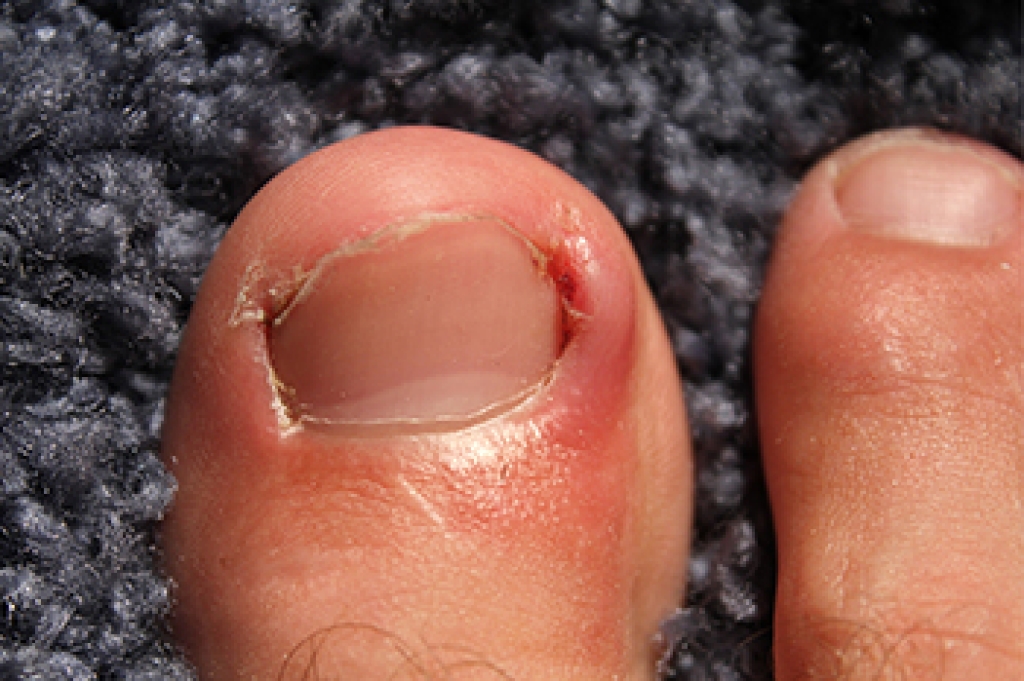
The Three Stages of Ingrown Toenails

An ingrown toenail is a condition in which the sides or corners of a toenail dig into the surrounding skin. Ingrown toenails are classified into three stages based on their severity. In stage 1, the end of the toe becomes reddened and mildly swollen. The affected toe can feel warm and painful to the touch, but has no pus or drainage. In stage 2, the toe becomes increasingly red, swollen, and painful, with yellow or white pus draining from the area. An infection may develop. In stage 3, the redness and swelling increase even more, and a mass of new tissue can grow around the nail, adding even more swelling and more pus.  At this stage, infections may be more severe and can be accompanied by a fever. If you have a painful or infected ingrown toenail, it is strongly recommended that you visit a podiatrist for treatment.

Ingrown toenails can become painful if they are not treated properly. For more information about ingrown toenails, contact Mark Poplawski, DPM of Jersey Shore Podiatry, LLC. Our doctor can provide the care you need to keep you pain-free and on your feet.

Ingrown Toenails

Ingrown toenails occur when a toenail grows sideways into the bed of the nail, causing pain, swelling, and possibly infection.

Causes

  • Bacterial infections
  • Improper nail cutting such as cutting it too short or not straight across
  • Trauma to the toe, such as stubbing, which causes the nail to grow back irregularly
  • Ill-fitting shoes that bunch the toes too close together
  • Genetic predisposition

Prevention

Because ingrown toenails are not something found outside of shoe-wearing cultures, going barefoot as often as possible will decrease the likeliness of developing ingrown toenails. Wearing proper fitting shoes and using proper cutting techniques will also help decrease your risk of developing ingrown toenails.

Treatment

Ingrown toenails are a very treatable foot condition. In minor cases, soaking the affected area in salt or antibacterial soaps will not only help with the ingrown nail itself, but also help prevent any infections from occurring. In more severe cases, surgery is an option. In either case, speaking to your podiatrist about this condition will help you get a better understanding of specific treatment options that are right for you.

If you have any questions, please feel free to contact our office located in Toms River, NJ . We offer the newest diagnostic and treatment technologies for all your foot care needs.

Read more about Ingrown Toenails