Blog
Choosing the Right Running Shoes for Marathon Success

Selecting the right running shoes for a marathon is essential for comfort, performance, and injury prevention over long distances. Shoe qualities such as proper cushioning, adequate support, breathability, and durability help protect the feet from repeated impact and fatigue. These features matter because marathon running places continuous stress on the feet, ankles, and legs, increasing the risk of overuse injuries when shoes do not match individual needs. Running style and gait play an important role, as foot strike patterns and motion affect how forces travel through the body. Finding the right fit ensures the toes have room to move, the midfoot feels supported, and the heel remains secure without rubbing. A podiatrist can help by evaluating gait, foot structure, and training demands to recommend appropriate footwear or custom orthotics. If you are preparing for a marathon or have foot pain from training, it is suggested that you consult a podiatrist who can treat various foot conditions, and guide you on the appropriate shoes to wear, helping you to perform your best on race day.
You should always make sure your running shoes fit properly in order to avoid injury. For more information, contact Mark Poplawski, DPM from Jersey Shore Podiatry, LLC. Our doctor can provide the care you need to keep you pain-free and on your feet.
Choosing the Right Running Shoe for Your Foot Type
Improper shoe sizing can cause a myriad of problems for your feet. Shoes that don’t fit you properly can lead to muscular imbalances in your body, which can result in foot, knee, and hip injuries.
Tips for Finding the Right Running Shoe
- Make sure you have a thumb’s width of wiggle room between the end of your longest toe and the front of the shoe.
- There should be little to no slipping at the heel
- Don’t assume your size in one shoe brand will be your size in another
- Do not lace up your shoes too tightly
- Walk around in the store with your new shoes before you buy them
If you have any questions, please feel free to contact our office located in Toms River, NJ . We offer the newest diagnostic and treatment technologies for all your foot care needs.
Foot Pain in Runners and How to Find Relief

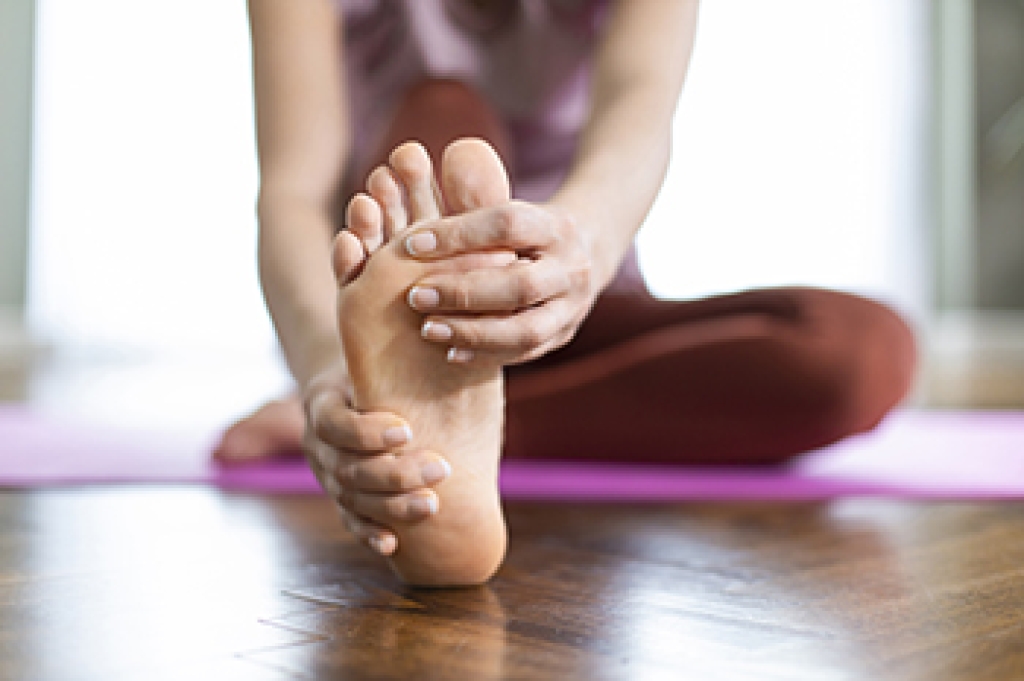
Foot pain is common in runners and can affect performance and daily comfort. Frequent causes include plantar fasciitis, which creates sharp heel pain from irritation of the plantar fascia, and metatarsalgia, a condition that leads to aching or burning in the ball of the foot. Injury stress fractures may also develop from repetitive impact and overuse. Simple stretches, such as the seated towel stretch, can help improve flexibility in the arch and calf, reducing strain during runs. A podiatrist can identify the source of pain, recommend supportive footwear, provide custom orthotics, and guide treatments that promote healthy movement. If foot pain is interrupting your training, it is suggested that you consult a podiatrist who can restore comfort and prevent further injury with effective treatment solutions.
Exercising your feet regularly with the proper foot wear is a great way to prevent injuries. If you have any concerns about your feet, contact Mark Poplawski, DPM of Jersey Shore Podiatry, LLC. Our doctor will treat your foot and ankle needs.
How to Prevent Running Injuries
Many common running injuries are caused by overuse and overtraining. When the back of the kneecap starts wearing out and starts causing pain in your knee, this is commonly referred to as runner’s knee. Runner’s knee is a decrease in strength in your quadriceps and can occur if you’re not wearing properly fitted or supporting shoes. To prevent runner’s knee, focusing on hip strengthening is a good idea, as well as strengthening your quads to keep the kneecaps aligned.
What Are Some Causes of Running Injuries?
- One cause of a common running injury is called iliotibial band syndrome.
- Plantar fasciitis is also another common injury.
- Stress fractures can occur from overtraining, lack of calcium, or even your running style.
Best Ways to Prevent Running Injuries
- Wear footwear that fits properly and suits your running needs.
- Running shoes are the only protective gear that runners have to safeguard them from injury.
- Make a training schedule. Adding strengthening exercises as well as regular stretching can help keep you strong and limber and can lessen the possibility of injuries.
- Stretching keeps muscles limber; this will help you gain better flexibility.
If you have any questions, please feel free to contact our office located in Toms River, NJ . We offer the newest diagnostic and treatment technologies for all your foot care needs.
How Corns and Calluses Differ

Corns and calluses both develop when the skin on the feet is exposed to repeated pressure, but they are not the same. A corn is a small, cone-shaped bump that often appears on the top of a toe, usually over a joint, and it can feel sore when touched. Corns between the toes are softer because the skin stays moist in that area. A callus is a wider, flatter patch of thick skin that often forms on the ball of the foot or the sides of the feet where weight and rubbing increase. Calluses rarely hurt unless they become very thick. A podiatrist can tell the difference by looking at the size, shape, and location of the hardened skin. Treatment options for a painful corn include reducing pressure on the toe, removing the hardened center, and safely trimming the thickened skin. If you have a painful corn on your foot, it is suggested that you schedule an appointment with a podiatrist for a diagnosis and safe, sterile treatment.
If you have any concerns regarding your feet and ankles, contact Mark Poplawski, DPM of Jersey Shore Podiatry, LLC. Our doctor will treat your foot and ankle needs.
Corns: What Are They? and How Do You Get Rid of Them?
Corns can be described as areas of the skin that have thickened to the point of becoming painful or irritating. They are often layers and layers of the skin that have become dry and rough, and are normally smaller than calluses.
Ways to Prevent Corns
There are many ways to get rid of painful corns such as wearing:
- Well-fitting socks
- Comfortable shoes that are not tight around your foot
- Shoes that offer support
Treating Corns
Treatment of corns involves removing the dead skin that has built up in the specific area of the foot. Consult with Our doctor to determine the best treatment option for your case of corns.
If you have any questions, please feel free to contact our office located in Toms River, NJ . We offer the newest diagnostic and treatment technologies for all your foot care needs.
Gout and the Big Toe

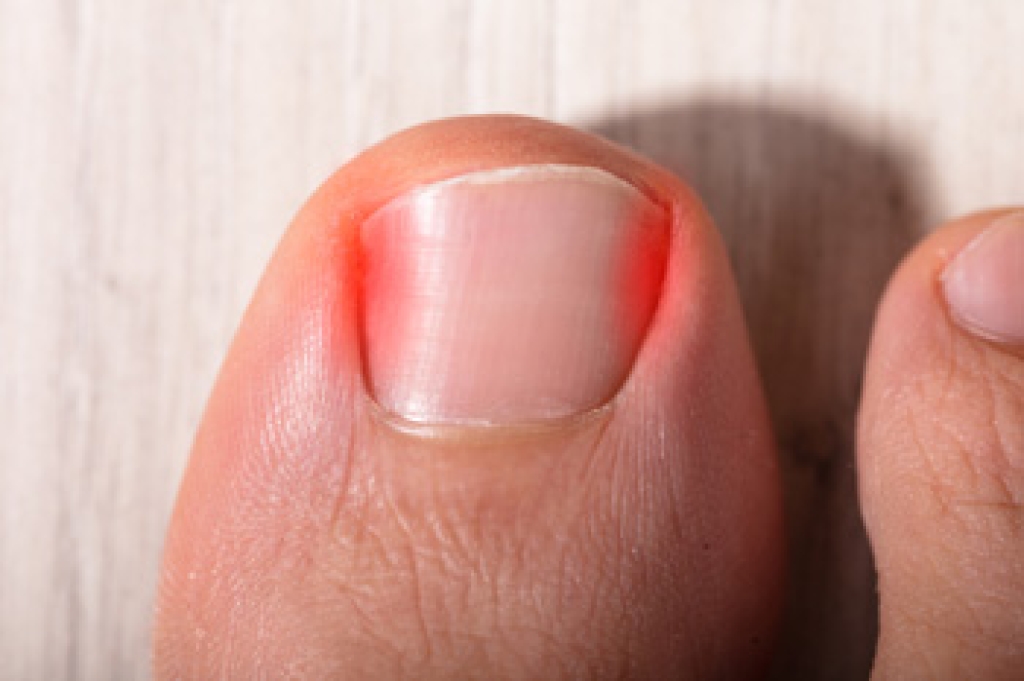
Gout is a type of arthritis that occurs when uric acid builds up in the body, forming sharp crystals in the joints. It most commonly affects the base of the big toe, causing sudden, intense pain, redness, swelling, and warmth. Risk factors include excessive alcohol consumption, obesity, kidney disease, high-purine diets, and a family history of gout. Over time, repeated gout attacks can lead to joint damage and decreased mobility. A podiatrist can diagnose gout through an examination and imaging, provide strategies to reduce uric acid levels, recommend medication, and suggest lifestyle adjustments to prevent future flares. If you are experiencing sudden pain in your big toe, it is suggested that you promptly schedule an appointment with a podiatrist who can help you to manage what might be going on.
Gout is a foot condition that requires certain treatment and care. If you are seeking treatment, contact Mark Poplawski, DPM from Jersey Shore Podiatry, LLC. Our doctor will treat your foot and ankle needs.
What Is Gout?
Gout is a type of arthritis caused by a buildup of uric acid in the bloodstream. It often develops in the foot, especially the big toe area, although it can manifest in other parts of the body as well. Gout can make walking and standing very painful and is especially common in diabetics and the obese.
People typically get gout because of a poor diet. Genetic predisposition is also a factor. The children of parents who have had gout frequently have a chance of developing it themselves.
Gout can easily be identified by redness and inflammation of the big toe and the surrounding areas of the foot. Other symptoms include extreme fatigue, joint pain, and running high fevers. Sometimes corticosteroid drugs can be prescribed to treat gout, but the best way to combat this disease is to get more exercise and eat a better diet.
If you have any questions, please feel free to contact our office located in Toms River, NJ . We offer the newest diagnostic and treatment technologies for all your foot care needs.