
facebook icon twitter icon Google icon YouTube icon

Effective Methods That Can Protect the Feet While Working

People can have foot pain when it is mandatory to stand during the work day. Research has indicated there is an increased number of sick days that are used each year as a result of working on the feet. Some of the foot conditions that develop can include bunions, foot pain, Achilles tendonitis, and poor circulation. These may happen from standing or walking on uneven surfaces, and wearing shoes that do not fit correctly. It is beneficial to elevate the feet as often as the day allows, and performing simple stretches may provide mild relief to the feet. Wearing compression socks or stockings may help to prevent poor circulation, and it can help to wear lower heels. If you would like more information about how to protect your feet while working, please ask a podiatrist who can offer you helpful tips.

While working on the feet, it is important to take the proper care of them. For more information about working on your feet, contact Mark Poplawski, DPM from Jersey Shore Podiatry, LLC. Our doctor will treat your foot and ankle needs.

Working on Your Feet

Standing on your feet for long periods of time can cause stress and pain in your feet. Your whole body may experience change in terms of posture, back pain, bunions, callouses and or plantar warts. There are ways to avoid these conditions with proper foot care, smart choices and correct posture.

Positive Changes

Negative heeled shoe – Choosing this shoe type places the heel slightly lower than the ball of the foot. These are great for overall foot health. Find shoes that fit you correctly.

Go barefoot – Our feet were not designed to be enclosed for all hours of the day. Try to periodically expose your feet to air.

Eliminate Pain

Foot Exercises – Performing simple exercises, incorporating yoga and doing stretches are beneficial. This will allow increased blood flow to the area and muscles of the foot.

Achilles tendon – Stretching the foot out flat on the floor will relax the calf muscles and tendon. These exercises can be performed almost anywhere. Make sure you add these exercises to your daily regimen. 

With a little bit of this information and knowing more about foot health, you will notice changes. Foot stretches and proper footwear will help with pain and prevent further issues.

If you have any questions please contact our office located in Toms River, NJ . We offer the newest diagnostic and treatment technologies for all your foot and ankle needs.
Read more about Working on Your Feet

Several Causes for Cracked Heels

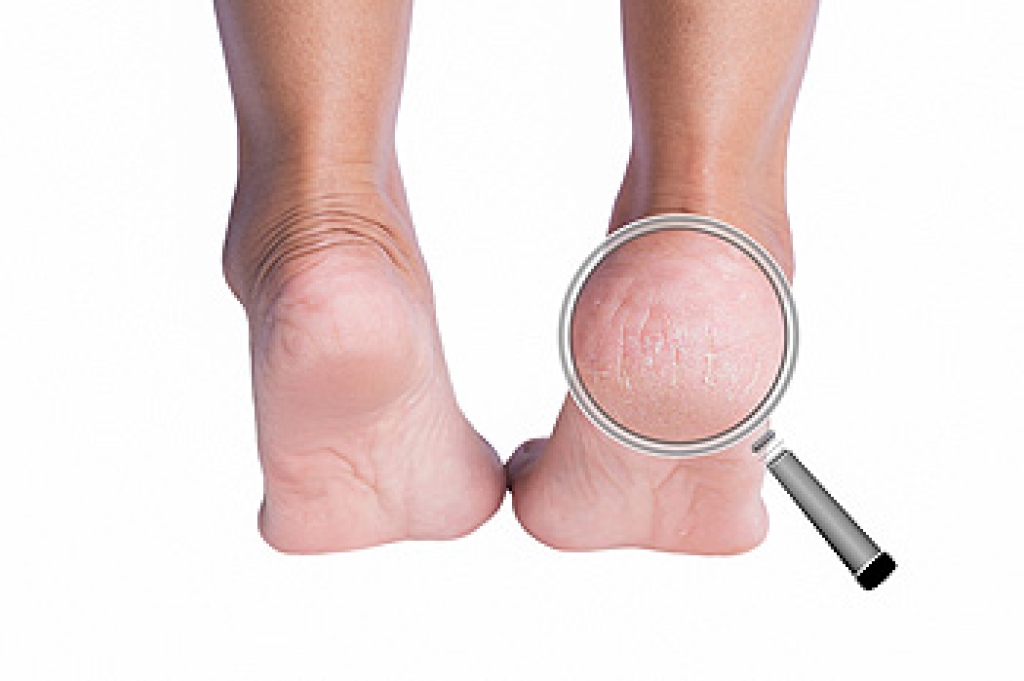
Cracked heels are unsightly and can become painful. This foot condition can develop for a variety of reasons and may bring embarrassment to the affected patient. The causes can include wearing shoes with an open back, standing on hard surfaces for most of the day, and a lack of moisture. Additionally, research has indicated that cracked heels may develop from specific vitamin or mineral deficiencies as well as aging skin. There may also be medical conditions that lead to cracked heels, which consist of obesity, thyroid disorders, eczema, and psoriasis. Many patients find relief when their feet are soaked in warm water, followed by applying a good moisturizer. Choosing shoes that have a closed back may help to prevent cracked heels in addition to wearing shoes that generally fit well. Patients who have dry heels or show signs of fissures, also known as deep cracks, are urged to speak with a podiatrist who can prescribe medication to treat this ailment.

Cracked heels are unsightly and can cause further damage to your shoes and feet. If you have any concerns, contact Mark Poplawski, DPM from Jersey Shore Podiatry, LLC. Our doctor can provide the care you need to keep you pain-free and on your feet.

Cracked Heels

Cracked heels appear unappealing and can make it harder for you walk around in sandals. Aside from looking unpleasant, cracked heels can also tear stockings, socks, and wear out your shoes. There are several methods to help restore a cracked heel and prevent further damage.

How Do You Get Them?

Dry skin is the number one culprit in creating cracked heels. Many athletes, walkers, joggers, and even swimmers suffer from cracked heels. Age and skin oil production play a role to getting cracked heels as well.

Promote Healing

Over the counter medicines can help, especially for those that need instant relief or who suffer from chronic dry feet.

Wear Socks – Wearing socks with medicated creams helps lock in moisture.

Moisturizers – Applying both day and night will help alleviate dryness which causes cracking.

Pumice Stones – These exfoliate and remove dead skin, which allows for smoother moisturizer application and better absorption into the skin. 

Change in Diet

Eating healthy with a well-balanced diet will give the skin a fresh and radiant look. Your body responds to the kinds of food you ingest. Omega-3 fatty acids and zinc supplements can also revitalize skin tissue.

Most importantly, seek professional help if unsure how to proceed in treating cracked heels. A podiatrist will help you with any questions or information needed. 

If you have any questions, please feel free to contact our office located in Toms River, NJ . We offer the newest diagnostic and treatment technologies for all your foot care needs.

Read more about Solutions for Cracked Heels