facebook icon twitter icon Google icon YouTube icon

Gout and the Big Toe

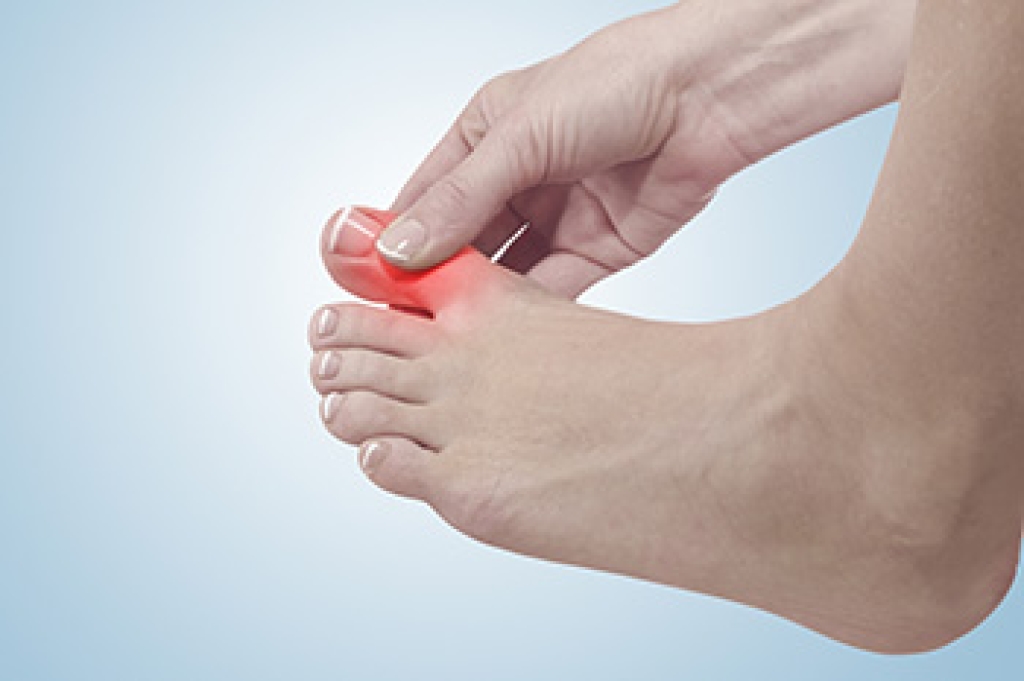
Gout is a type of arthritis that occurs when uric acid builds up in the body, forming sharp crystals in the joints. It most commonly affects the base of the big toe, causing sudden, intense pain, redness, swelling, and warmth. Risk factors include excessive alcohol consumption, obesity, kidney disease, high-purine diets, and a family history of gout. Over time, repeated gout attacks can lead to joint damage and decreased mobility. A podiatrist can diagnose gout through an examination and imaging, provide strategies to reduce uric acid levels, recommend medication, and suggest lifestyle adjustments to prevent future flares. If you are experiencing sudden pain in your big toe, it is suggested that you promptly schedule an appointment with a podiatrist who can help you to manage what might be going on.

Gout is a foot condition that requires certain treatment and care. If you are seeking treatment, contact Mark Poplawski, DPM from Jersey Shore Podiatry, LLC. Our doctor will treat your foot and ankle needs.

What Is Gout?

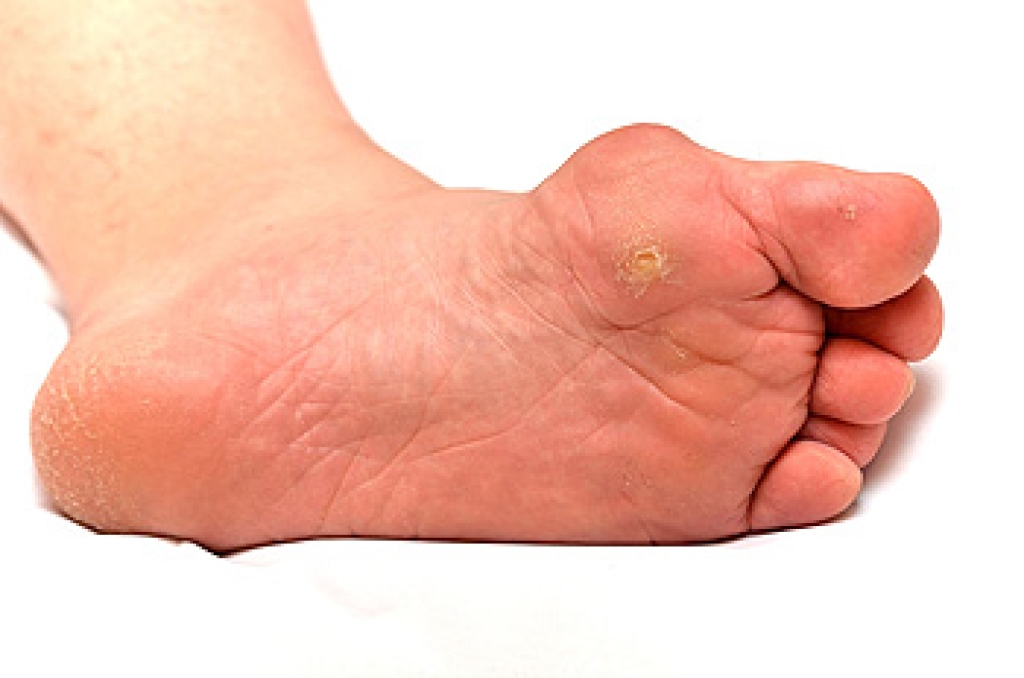
Gout is a type of arthritis caused by a buildup of uric acid in the bloodstream. It often develops in the foot, especially the big toe area, although it can manifest in other parts of the body as well. Gout can make walking and standing very painful and is especially common in diabetics and the obese.

People typically get gout because of a poor diet. Genetic predisposition is also a factor. The children of parents who have had gout frequently have a chance of developing it themselves.

Gout can easily be identified by redness and inflammation of the big toe and the surrounding areas of the foot. Other symptoms include extreme fatigue, joint pain, and running high fevers. Sometimes corticosteroid drugs can be prescribed to treat gout, but the best way to combat this disease is to get more exercise and eat a better diet.

If you have any questions, please feel free to contact our office located in Toms River, NJ . We offer the newest diagnostic and treatment technologies for all your foot care needs.
Read more about Everything You Need to Know About Gout

Understanding a Broken Ankle and When to Seek Care

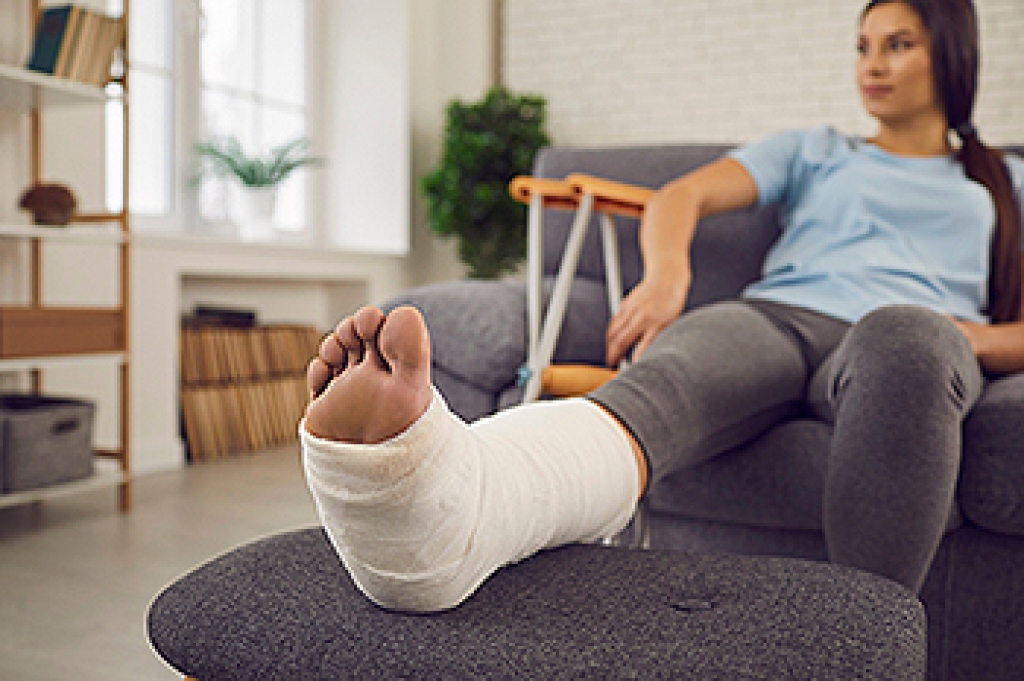
broken ankle is a fracture of one or more bones that make up the ankle joint. It can be the result of twisting the foot, falling or experiencing a direct impact. Symptoms include sudden pain, swelling, bruising, difficulty moving the ankle, and an inability to bear weight. The area may appear deformed due to the injury. Causes range from sports accidents to simple missteps on uneven ground. A podiatrist can perform a thorough examination, order imaging, and provide treatment that supports healing, reduces pain, and restores function. If you suspect  you have broken your ankle, it is suggested that you promptly contact a podiatrist who can accurately diagnose and treat this condition.

Broken ankles need immediate treatment. If you are seeking treatment, contact Mark Poplawski, DPM from Jersey Shore Podiatry, LLC. Our doctor can provide the care you need to keep you pain-free and on your feet. 

Broken Ankles
A broken ankle is experienced when a person fractures their tibia or fibula in the lower leg and ankle area. Both of these bones are attached at the bottom of the leg and combine to form what we know to be our ankle.

When a physician is referring to a break of the ankle, he or she is usually referring to a break in the area where the tibia and fibula are joined to create our ankle joint. Ankles are more prone to fractures because the ankle is an area that suffers a lot of pressure and stress. There are some obvious signs when a person experiences a fractured ankle, and the following symptoms may be present.

Symptoms of a Fractured Ankle

  • Excessive pain when the area is touched or when any pressure is placed on the ankle
  • Swelling around the area
  • Bruising of the area
  • Area appears to be deformed

If you suspect an ankle fracture, it is recommended to seek treatment as soon as possible. The sooner you have your podiatrist diagnose the fracture, the quicker you’ll be on the way towards recovery.

If you have any questions, please feel free to contact our office located in Toms River, NJ . We offer the newest diagnostic and treatment technologies for all your foot care needs.
Read more about All About Broken Ankle

Are You Suffering From Nerve Damage?

Neuropathy is a condition that can lead to numbness or loss of sensation in the feet, but it can also cause pain. This condition is more likely to develop for those who are diabetic, obese, or with high blood pressure.

Tips for Preventing Falls at Home

Falls at home often occur because of poor balance, reduced foot strength, or problems with sensation in the feet. When the muscles, joints, or nerves in the feet and ankles are weak or painful, balance can become unstable, increasing the chance of tripping. Wearing shoes that lack adequate support, such as flip-flops or worn-out slippers, can also make the feet more vulnerable to slipping. Proper footwear with firm soles and a secure fit helps improve stability and reduce strain on the arches and ankles. People with neuropathy, bunions, or arthritis can have difficulty sensing uneven ground or adjusting quickly to changes in surface texture. A podiatrist can assess foot strength, check for nerve or circulation problems, prescribe custom orthotics to improve balance, and recommend footwear that supports safer walking. If you are at risk for falling, it is suggested that you make an appointment with a podiatrist for a diagnosis and treatment.

Preventing falls among the elderly is very important. If you are older and have fallen or fear that you are prone to falling, consult with Mark Poplawski, DPM from Jersey Shore Podiatry, LLC. Our doctor will assess your condition and provide you with quality advice and care.

Every 11 seconds, an elderly American is being treated in an emergency room for a fall related injury. Falls are the leading cause of head and hip injuries for those 65 and older. Due to decreases in strength, balance, senses, and lack of awareness, elderly persons are very susceptible to falling. Thankfully, there are a number of things older persons can do to prevent falls.

How to Prevent Falls

Some effective methods that older persons can do to prevent falls include:

  • Enrolling in strength and balance exercise program to increase balance and strength
  • Periodically having your sight and hearing checked
  • Discuss any medications you have with a doctor to see if it increases the risk of falling
  • Clearing the house of falling hazards and installing devices like grab bars and railings
  • Utilizing a walker or cane
  • Wearing shoes that provide good support and cushioning
  • Talking to family members about falling and increasing awareness

Falling can be a traumatic and embarrassing experience for elderly persons; this can make them less willing to leave the house, and less willing to talk to someone about their fears of falling. Doing such things, however, will increase the likelihood of tripping or losing one’s balance. Knowing the causes of falling and how to prevent them is the best way to mitigate the risk of serious injury.  

If you have any questions, please feel free to contact our office located in Toms River, NJ . We offer the newest diagnostic and treatment technologies for all your foot care needs.
Read more about Falls Prevention