facebook icon twitter icon Google icon YouTube icon

Is It Gout or a Bunion?

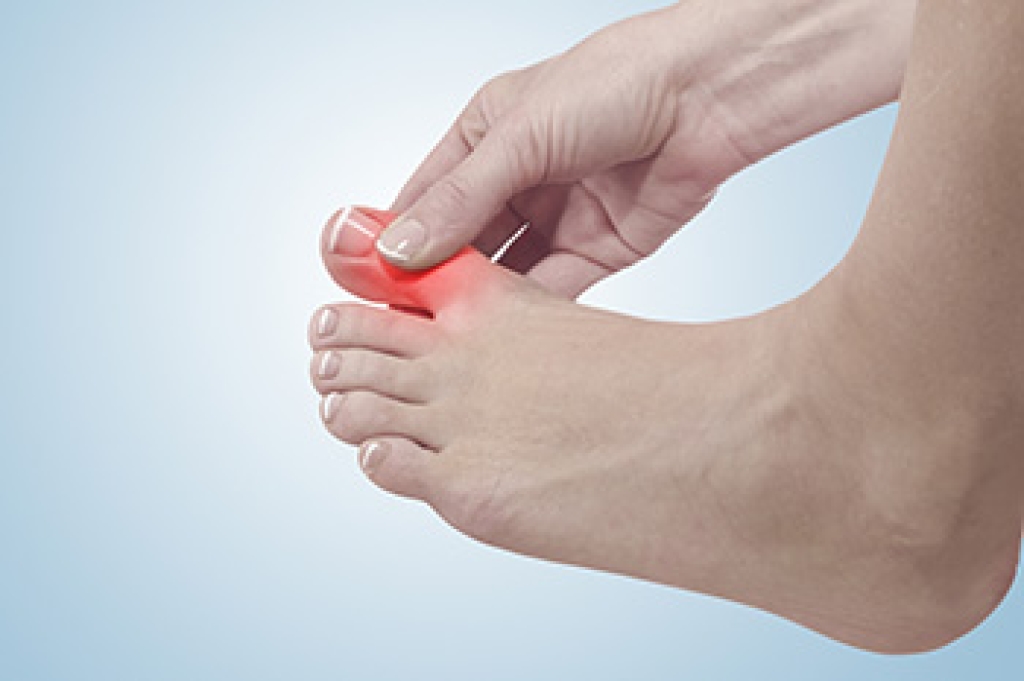
Toe pain can be caused by various conditions, but two common culprits are gout and bunions. Gout is a type of arthritis caused by a buildup of uric acid crystals in the joint, often affecting the big toe. It causes sudden, intense pain, redness, swelling, and warmth. Bunions, on the other hand, are bony bumps that form at the base of the big toe due to joint misalignment, often from genetics, tight shoes, or arthritis. Bunion pain tends to be more gradual and may worsen with pressure from footwear. A podiatrist can diagnose the exact cause of your toe pain through a physical exam, X-rays, and lab tests if needed. Treatment may include medication for gout, shoe modifications, orthotics, or in severe cases, surgery for bunions. If you are dealing with big toe pain, it is suggested that you make an appointment with a podiatrist.

Toe pain can disrupt your daily activities. If you have any concerns, contact Mark Poplawski, DPM of Jersey Shore Podiatry, LLC. Our doctor can provide the care you need to keep you pain-free and on your feet.

What Causes Toe Pain?

Most severe toe pain is caused due to a sports injury, trauma from dropping something heavy on the toe, or bumping into something rigid. Other problems can develop over time for various reasons.

Toe pain can be caused by one or more ailments. The most common include:

  • Trauma
  • Sports injury
  • Wearing shoes that are too tight
  • Arthritis
  • Gout
  • Corns and calluses
  • Hammertoe
  • Bunions
  • Blisters
  • Ingrown toenails
  • Sprains
  • Fractures (broken bones)
  • Dislocations

When to See a Podiatrist

  • Severe pain
  • Persistent pain that lasts more than a week
  • Signs of infection
  • Continued swelling
  • Pain that prevents walking

Diagnosis

In many cases the cause of toe pain is obvious, but in others, a podiatrist may want to use more advanced methods to determine the problem. These can range from simple visual inspections and sensation tests to X-rays and MRI scans. Prior medical history, family medical history, and any recent physical traumatic events will all be taken into consideration for a proper diagnosis.

Treatment

Treatments for toe pain and injuries vary and may include shoe inserts, padding, taping, medicines, injections, and in some cases, surgery. If you believe that you have broken a toe, please see a podiatrist as soon as possible.

If you have any questions please contact our office located in Toms River, NJ . We offer the newest diagnostic and treatment technologies for all your foot and ankle needs.

Read more about Toe Pain

Improving Foot Surgery With Digital Angle Tools

In certain types of foot surgery, small bones in the front of the foot need to be realigned to reduce pain and improve function. These procedures are often done through tiny incisions, which is called minimally invasive surgery. One of the challenges in this approach is making sure the angle of the bone cut is just right, especially when the surgeon cannot see everything directly. To help with this, some surgeons now use digital angle-measuring tools. These tools provide real-time feedback, allowing for more precise adjustments during the procedure. The goal is to improve the outcome, reduce healing time, and lower the chance of needing further corrections. Using this kind of technology can support better results, especially for people with bunions or other forefoot problems. If you are considering foot surgery and want to understand your options, it is suggested that you speak with a podiatrist who can explain the approach that fits your needs.

Foot surgery is sometimes necessary to treat a foot ailment. To learn more, contact Mark Poplawski, DPM of Jersey Shore Podiatry, LLC. Our doctor will assist you with all of your foot and ankle needs.

When Is Surgery Necessary?

Foot and ankle surgery is generally reserved for cases in which less invasive, conservative procedures have failed to alleviate the problem. Some of the cases in which surgery may be necessary include:

  • Removing foot deformities like bunions and bone spurs
  • Severe arthritis that has caused bone issues
  • Cosmetic reconstruction

What Types of Surgery Are There?

The type of surgery you receive will depend on the nature of the problem you have. Some of the possible surgeries include:

  • Bunionectomy for painful bunions
  • Surgical fusion for realignment of bones
  • Neuropathy decompression surgery to treat nerve damage

Benefits of Surgery

Although surgery is usually a last resort, it can provide more complete pain relief compared to non-surgical methods and may allow you to finally resume full activity.

Surgical techniques have also become increasingly sophisticated. Techniques like endoscopic surgery allow for smaller incisions and faster recovery times.

If you have any questions, please feel free to contact our office located in Toms River, NJ . We offer the newest diagnostic and treatment technologies for all your foot care needs.

Read more about Foot Surgery

We Can Treat Your Foot or Ankle Pain

Foot or ankle pain can negatively affect your day-to-day life and can occur due to several different conditions. Pain can also be an indicator of a more serious underlying condition, which is why you should seek professional help as soon as you notice any abnormalities in your feet.

Understanding Foot Pain in Children

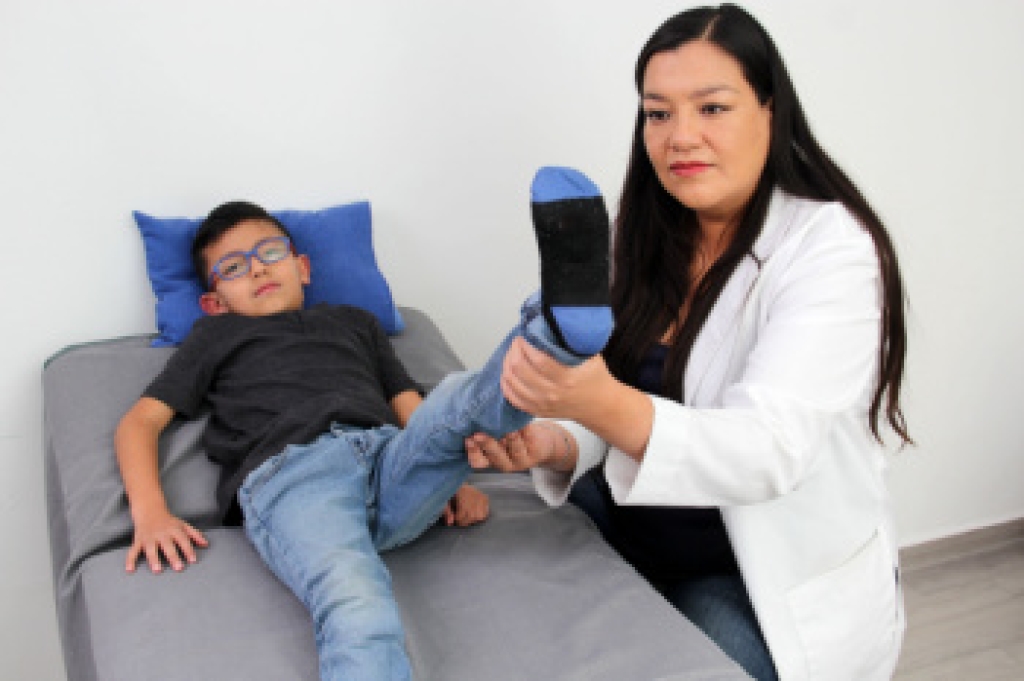
Children may not always be able to explain what hurts, but changes in how they walk, run, or play can signal that something is wrong. Foot pain in children can come from several causes, including growth plate irritation, flat feet, or overuse from sports. Some may develop heel pain linked to rapid growth, while others may complain of aches in the arch or ball of the foot. Wearing ill-fitting shoes, tight muscles, or minor injuries can also lead to discomfort. Often, kids will try to avoid activities they once enjoyed or begin limping without a clear reason. Since early foot issues can affect development and posture, it is important not to overlook these signs. If your child is showing signs of foot discomfort or walking differently than usual, it is suggested that you see a podiatrist to determine what may be causing the issue, and how to best treat it.

The health of a child’s feet is vital to their overall well-being. If you have any questions regarding foot health, contact Mark Poplawski, DPM of Jersey Shore Podiatry, LLC. Our doctor can provide the care you need to keep you pain-free and on your feet.

Tips for Keeping Children's Feet Healthy

  • Make sure their shoes fit properly
  • Look for any signs of in-toeing or out-toeing
  • Check to see if they have Clubfoot (condition that affects your child’s foot and ankle, twisting the heel and toes inward) which is one of the most common nonmajor birth defects.
  • Lightly cover your baby’s feet (Tight covers may keep your baby from moving their feet freely, and could prevent normal development)
  • Allow your toddler to go shoeless (Shoes can be restricting for a young child’s foot)
  • Cut toenails straight across to avoid ingrown toenails
  • Keep your child’s foot clean and dry
  • Cover cuts and scrapes. Wash any scratches with soap and water and cover them with a bandage until they’ve healed.

If you have any questions, please feel free to contact our office located in Toms River, NJ . We offer the newest diagnostic and treatment technologies for all your foot care needs.

Read more about How to Care for Your Child's Feet

Common Foot Disorders in the Elderly

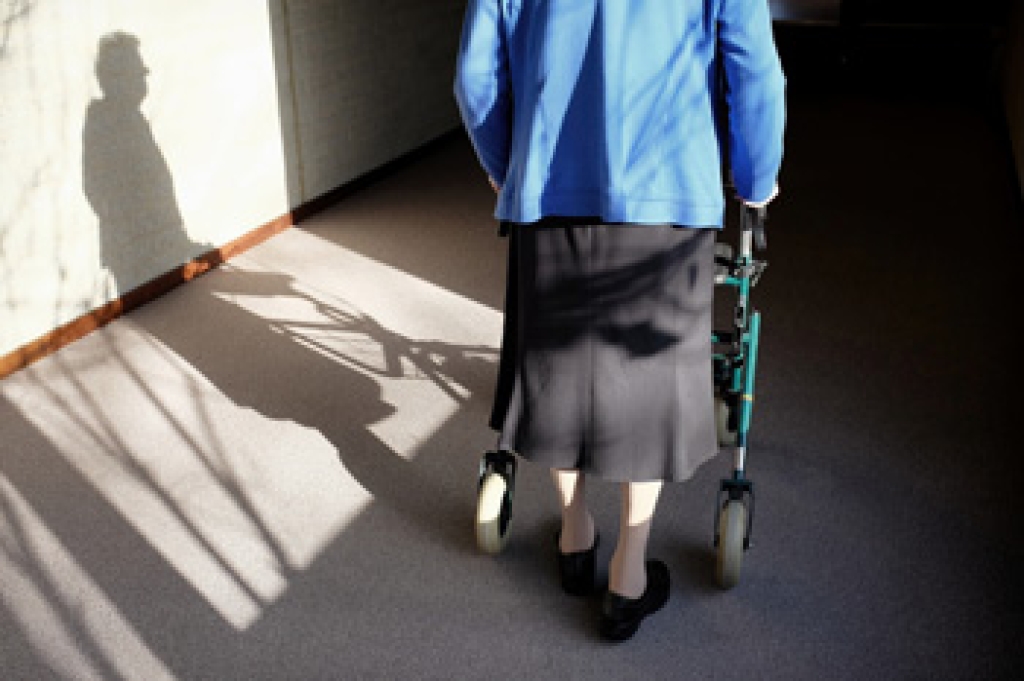
Foot disorders in the elderly population are common due to natural aging, changes in biomechanics, and the long-term effects of chronic conditions. As people age, their feet may lose strength, flexibility, and cushioning. This process increases the risk of developing arthritis, bunions, hammertoes, and poor circulation. Biomechanical changes can alter walking patterns, leading to instability and discomfort. These issues can impact mobility, independence, and overall well-being. A podiatrist can assess the feet, diagnose underlying problems, and provide personalized treatment, including custom orthotics and footwear recommendations. If you are experiencing any foot pain, it is suggested that you schedule a visit with a podiatrist who can treat various foot conditions and guide you on foot care tips.

If you need your feet checked, contact Mark Poplawski, DPM of Jersey Shore Podiatry, LLC. Our doctor will attend to all of your foot and ankle needs and provide you with quality treatment.

Geriatrics and Podiatry
When people age, some common issues that may occur are bone density loss, dry skin, poor circulation, and rough brittle nails. These issues may also affect your foot health if the necessary steps are not taken to alleviate the problems.

It is important to take care of your feet because feet that are injured or diseased can affect your overall health. Having painful feet hinders your ability to do daily activities or may decrease your willingness to do the things that you need to do.

Visiting Your Geriatrician
As we age, health problems become more likely, so it is essential to visit your doctor for check-ups to ensure that you are doing the best you can to take care of your health. It is recommended to check your feet frequently for any possible cuts, bruises, swelling, corns or any other irregularities. 

Taking Care of Elderly Feet
Cracked or dry feet can be treated by applying moisturizer often. It is also important not to wear old socks because the older the sock is, the higher the possibility there will be that there is bacteria there. Wear fresh socks and make sure they fit properly.

Proper foot health means that you can have a more active lifestyle and you will not be bogged down by pain. Foot health also leads to good circulation, which is paramount for overall health.

If you have any questions, please feel free to contact our office located in Toms River, NJ . We offer the newest diagnostic and treatment technologies for all your foot care needs.

Read more about Taking Care of Elderly Feet