facebook icon twitter icon Google icon YouTube icon

Causes and Possible Ways to Improve Poor Circulation

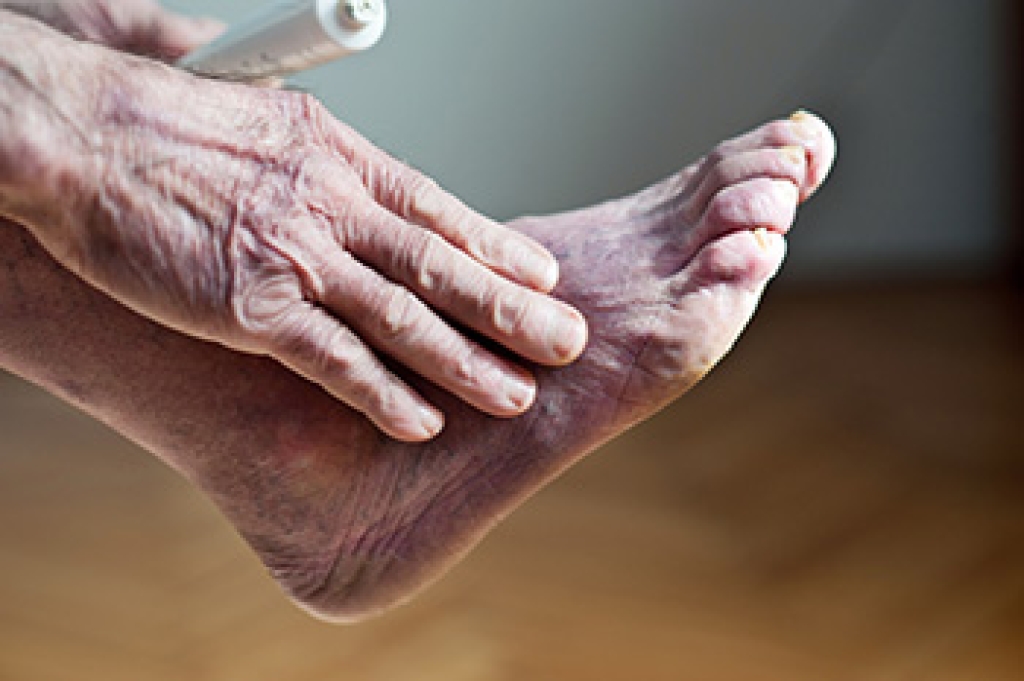
Many people suffer from poor circulation as the aging process occurs. It may also happen from specific health conditions including diabetes, obesity, and hardened arteries. Additionally, having a sedentary lifestyle and smoking can contribute to developing poor circulation. Common symptoms can consist of pain, numbness, or a tingling sensation in the feet. Some patients have cold feet, and may notice they have become discolored. This condition can show moderate improvement by incorporating exercise and stretches into the daily routine. Walking is an effective form of exercise, and it is beneficial to drink plenty of water. It is advised to include foods such as fatty fish, leafy greens, and cinnamon into daily eating habits, which is thought to be linked to possibly improving poor circulation. If you are experiencing the above symptoms, it is suggested that you confer with a podiatrist who can help you to manage and treat poor circulation.

Poor circulation is a serious condition and needs immediate medical attention. If you have any concerns with poor circulation in your feet contact Mark Poplawski, DPM of Jersey Shore Podiatry, LLC. Our doctor will treat your foot and ankle needs.

Poor Circulation in the Feet

Poor blood circulation in the feet and legs is can be caused by peripheral artery disease (PAD), which is the result of a buildup of plaque in the arteries.

Plaque buildup or atherosclerosis results from excess calcium and cholesterol in the bloodstream. This can restrict the amount of blood which can flow through the arteries. Poor blood circulation in the feet and legs are sometimes caused by inflammation in the blood vessels, known as vasculitis.

Causes

Lack of oxygen and oxygen from poor blood circulation restricts muscle growth and development. It can also cause:

  • Muscle pain, stiffness, or weakness 
  • Numbness or cramping in the legs
  • Skin discoloration
  • Slower nail & hair growth
  • Erectile dysfunction

Those who have diabetes or smoke are at greatest risk for poor circulation, as are those who are over 50. If you have poor circulation in the feet and legs it may be caused by PAD and is important to make changes to your lifestyle in order to reduce risk of getting a heart attack or stroke. Exercise and maintaining a healthy lifestyle will dramatically improve conditions.

As always, see a podiatrist as he or she will assist in finding a regimen that suits you. A podiatrist can also prescribe you any needed medication. 

If you have any questions, please feel free to contact our office located in Toms River, NJ . We offer the newest diagnostic and treatment technologies for all your foot care needs.

Read more about Causes, Symptoms, and Treatment of Poor Blood Circulation in the Feet

Exercising May Help to Prevent Falling

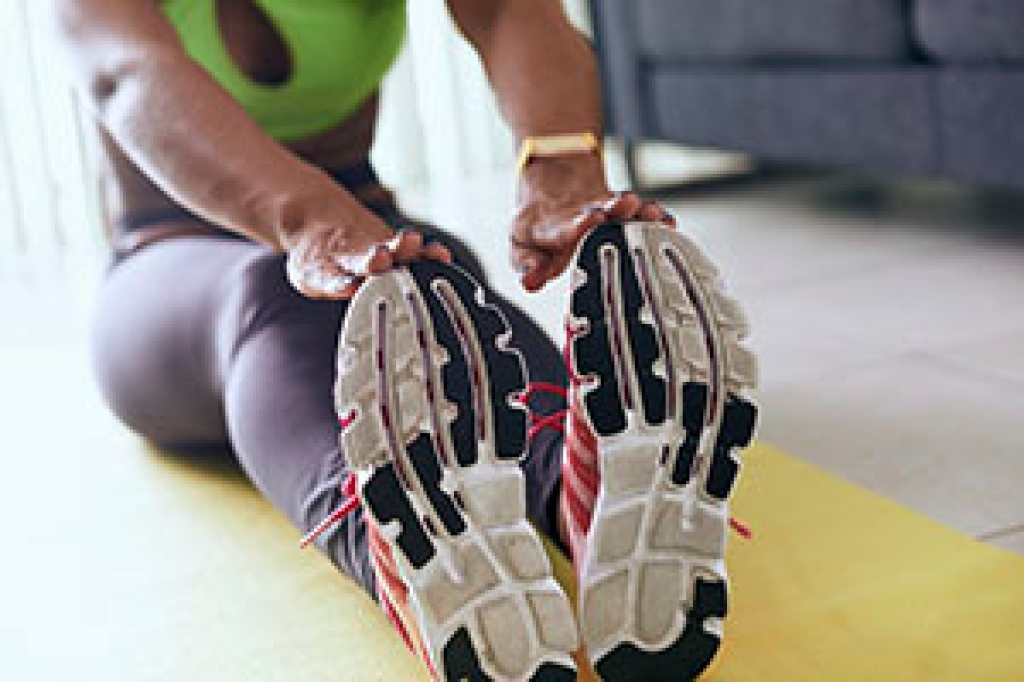
Falling can be a terrifying experience, and can be common among elderly people. One of the most effective methods to decrease the number of falls that happen to older people is to regularly exercise. This is beneficial in strengthening the overall body, and may help to prevent a bone from breaking during a fall. The feet can become affected during a fall, and may cause the patient an inability to complete daily activities. A good prevention technique consists of having a routine physical and eye examination, so existing glasses and medication can be monitored and updated, if necessary. Many people choose to have grab bars installed in the shower and toilet area, in addition to using a bathmat to avoid slipping. If you would like to learn more about how to implement fall prevention techniques, please speak with a podiatrist.

Preventing falls among the elderly is very important. If you are older and have fallen or fear that you are prone to falling, consult with Mark Poplawski, DPM from Jersey Shore Podiatry, LLC. Our doctor will assess your condition and provide you with quality advice and care.

Every 11 seconds, an elderly American is being treated in an emergency room for a fall related injury. Falls are the leading cause of head and hip injuries for those 65 and older. Due to decreases in strength, balance, senses, and lack of awareness, elderly persons are very susceptible to falling. Thankfully, there are a number of things older persons can do to prevent falls.

How to Prevent Falls

Some effective methods that older persons can do to prevent falls include:

  • Enrolling in strength and balance exercise program to increase balance and strength
  • Periodically having your sight and hearing checked
  • Discuss any medications you have with a doctor to see if it increases the risk of falling
  • Clearing the house of falling hazards and installing devices like grab bars and railings
  • Utilizing a walker or cane
  • Wearing shoes that provide good support and cushioning
  • Talking to family members about falling and increasing awareness

Falling can be a traumatic and embarrassing experience for elderly persons; this can make them less willing to leave the house, and less willing to talk to someone about their fears of falling. Doing such things, however, will increase the likelihood of tripping or losing one’s balance. Knowing the causes of falling and how to prevent them is the best way to mitigate the risk of serious injury.  

If you have any questions, please feel free to contact our office located in Toms River, NJ . We offer the newest diagnostic and treatment technologies for all your foot care needs.
Read more about Falls Prevention

Conditions That Develop From Running Injuries

People who enjoy jogging realize that incurring a running injury is one of the most upsetting things that can happen to their running regime. Injuries can occur in both experienced and new runners, and there are methods that can be done to help prevent them. Many injuries happen due to overuse. The heel is often affected, and a condition known as plantar fasciitis can happen from excess pressure that is put on the heels. A stress fracture is a common injury to obtain while running which is a hairline break in the foot. This typically develops gradually and can be prevented by taking time off between runs. Many people have learned to increase speed and distance slowly, in addition to eating healthy and stretching before and after a run. If you would like more information about how to prevent running injuries, please ask a podiatrist who can provide you with helpful tips.

Exercising your feet regularly with the proper foot wear is a great way to prevent injuries. If you have any concerns about your feet, contact Mark Poplawski, DPM of Jersey Shore Podiatry, LLC. Our doctor will treat your foot and ankle needs.

How to Prevent Running Injuries

Many common running injuries are caused by overuse and overtraining. When the back of the kneecap starts wearing out and starts causing pain in your knee, this is commonly referred to as runner’s knee. Runner’s knee is a decrease in strength in your quadriceps and can occur if you’re not wearing properly fitted or supporting shoes. To prevent runner’s knee, focusing on hip strengthening is a good idea, as well as strengthening your quads to keep the kneecaps aligned.

What Are Some Causes of Running Injuries? 
- One cause of a common running injury is called iliotibial band syndrome.
- Plantar fasciitis is also another common injury.
- Stress fractures can occur from overtraining, lack of calcium, or even your running style.

Best Ways to Prevent Running Injuries
- Wear footwear that fits properly and suits your running needs.
- Running shoes are the only protective gear that runners have to safeguard them from injury.
- Make a training schedule. Adding strengthening exercises as well as regular stretching can help keep you strong and limber and can lessen the possibility of injuries.
- Stretching keeps muscles limber; this will help you gain better flexibility.

If you have any questions, please feel free to contact our office located in Toms River, NJ . We offer the newest diagnostic and treatment technologies for all your foot care needs.
Read more about How to Prevent Running Injuries

Causes of Burning Foot Pain

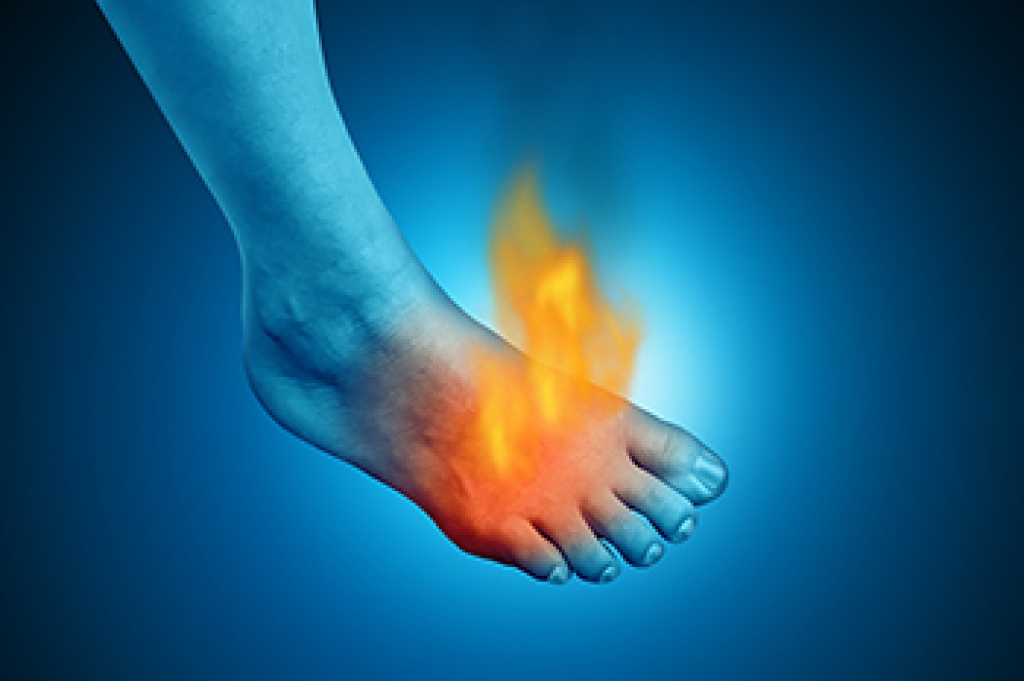
If your feet feel like they are burning up, it may be a sign that you have experienced nerve damage in the foot or leg, an injury, or a compression of the nerves. Burning feet, also known as Grierson-Gopalan Syndrome, is a condition that consists of damage to the small nerve fibers of the foot. Although the cause of this condition is not clear, it is often found in people who have diabetes, vitamin B deficiency, or rheumatoid arthritis. Among other possible causes of burning feet are peripheral artery disease, peripheral neuropathy, and Morton’s neuroma. Other factors that can result in burning foot syndrome include kidney or thyroid problems and abnormal biomechanics of the foot. Common symptoms of burning foot syndrome are a pain in the soles of the feet, a feeling of pins and needles, and numbness. If you regularly experience such symptoms, please contact a podiatrist for an exam and a diagnosis, followed by suggested treatment options.

Foot Pain

Foot pain can be extremely painful and debilitating. If you have a foot pain, consult with Mark Poplawski, DPM from Jersey Shore Podiatry, LLC. Our doctor will assess your condition and provide you with quality foot and ankle treatment.

Causes

Foot pain is a very broad condition that could be caused by one or more ailments. The most common include:

  • Bunions
  • Hammertoes
  • Plantar Fasciitis
  • Bone Spurs
  • Corns
  • Tarsal Tunnel Syndrome
  • Ingrown Toenails
  • Arthritis (such as Gout, Rheumatoid, and Osteoarthritis)
  • Flat Feet
  • Injury (from stress fractures, broken toe, foot, ankle, Achilles tendon ruptures, and sprains)
  • And more

Diagnosis

To figure out the cause of foot pain, podiatrists utilize several different methods. This can range from simple visual inspections and sensation tests to X-rays and MRI scans. Prior medical history, family medical history, and any recent physical traumatic events will all be taken into consideration for a proper diagnosis.

Treatment

Treatment depends upon the cause of the foot pain. Whether it is resting, staying off the foot, or having surgery; podiatrists have a number of treatment options available for foot pain.

If you have any questions, please feel free to contact our office located in Toms River, NJ . We offer the newest diagnostic and treatment technologies for all your foot care needs.

Read more about Foot Pain

Blisters and Hiking

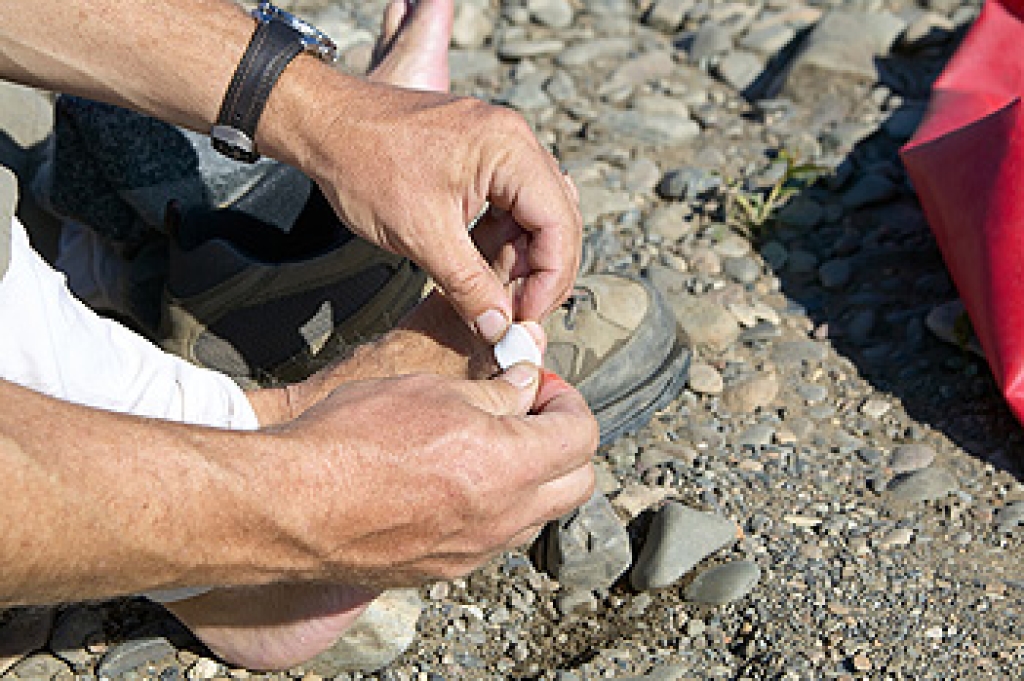
Any hiker knows that hiking with blisters on the feet can be a significant annoyance and source of potential pain. Blisters can develop on the feet for many different reasons (typically due to some kind of pressure that is applied to an area of the feet). Blisters can be especially pernicious to hikers. Blisters are the most common foot affliction among hikers. Since hiking requires a significant amount of physical movement including walking and climbing, blisters can diminish the hiking experience. There are several things that hikers might consider doing to prevent blisters from forming in the first place. For example, hikers might consider getting hiking boots that fit correctly and do not rub up against the feet in uncomfortable ways. Hikers can also be on the lookout for the other main causes of blister formation: heat and moisture. Hikers can also be mindful about wearing thin socks to prevent the blisters from forming in the first place. Contact a podiatrist today if you are a hiker concerned about preventing foot blisters.


Blisters are prone to making everyday activities extremely uncomfortable. If your feet are hurting, contact Mark Poplawski, DPM of Jersey Shore Podiatry, LLC. Our doctor can provide the care you need to keep you pain-free and on your feet.

Foot Blisters

Foot blisters develop as a result of constantly wearing tight or ill-fitting footwear. This happens due to the constant rubbing from the shoe, which can often lead to pain.

What Are Foot Blisters?

A foot blister is a small fluid-filled pocket that forms on the upper-most layer of the skin. Blisters are filled with clear fluid and can lead to blood drainage or pus if the area becomes infected.

How Do Blisters Form?

Blisters on the feet are often the result of constant friction of skin and material, usually by shoe rubbing. Walking in sandals, boots, or shoes that don’t fit properly for long periods of time can result in a blister. Having consistent foot moisture and humidity can easily lead to blister formation.

Prevention & Treatment

It is important to properly care for the affected area in order to prevent infection and ease the pain. Do not lance the blister and use a Band-Aid to provide pain relief. Also, be sure to keep your feet dry and wear proper fitting shoes. If you see blood or pus in a blister, seek assistance from a podiatrist.

If you have any questions, please feel free to contact our office located in Toms River, NJ . We offer the newest diagnostic and treatment technologies for all your foot care needs.

Read more about Blisters on the Feet