facebook icon twitter icon Google icon YouTube icon

Proper Footwear Matters in Food Service Jobs

Working in food service often requires standing and walking on hard floors for long hours, which can strain the feet and ankles. Without proper footwear, this constant pressure can lead to heel pain, arch discomfort, and inflammation of the plantar fascia, the ligament that supports the foot’s arch. Shoes designed for food service should have firm midsoles, closed toes and heels, and slip-resistant soles to help prevent falls on slick surfaces. Footwear with poor structure or loose straps can cause instability and increase the risk of injury. A podiatrist can evaluate foot mechanics, check for pressure points, and prescribe custom insoles to improve alignment, cushioning, and overall comfort during long shifts. Properly fitted shoes and supportive insoles can make a significant difference in reducing foot fatigue and preventing long-term problems. If you have foot pain from standing at work, it is suggested that you make an appointment with a podiatrist for a diagnosis and treatment options.

While working on the feet, it is important to take the proper care of them. For more information about working on your feet, contact Mark Poplawski, DPM from Jersey Shore Podiatry, LLC. Our doctor will treat your foot and ankle needs.

Working on Your Feet

Standing on your feet for long periods of time can cause stress and pain in your feet. Your whole body may experience change in terms of posture, back pain, bunions, callouses and or plantar warts. There are ways to avoid these conditions with proper foot care, smart choices and correct posture.

Positive Changes

Negative heeled shoe – Choosing this shoe type places the heel slightly lower than the ball of the foot. These are great for overall foot health. Find shoes that fit you correctly.

Go barefoot – Our feet were not designed to be enclosed for all hours of the day. Try to periodically expose your feet to air.

Eliminate Pain

Foot Exercises – Performing simple exercises, incorporating yoga and doing stretches are beneficial. This will allow increased blood flow to the area and muscles of the foot.

Achilles tendon – Stretching the foot out flat on the floor will relax the calf muscles and tendon. These exercises can be performed almost anywhere. Make sure you add these exercises to your daily regimen. 

With a little bit of this information and knowing more about foot health, you will notice changes. Foot stretches and proper footwear will help with pain and prevent further issues.

If you have any questions please contact our office located in Toms River, NJ . We offer the newest diagnostic and treatment technologies for all your foot and ankle needs.
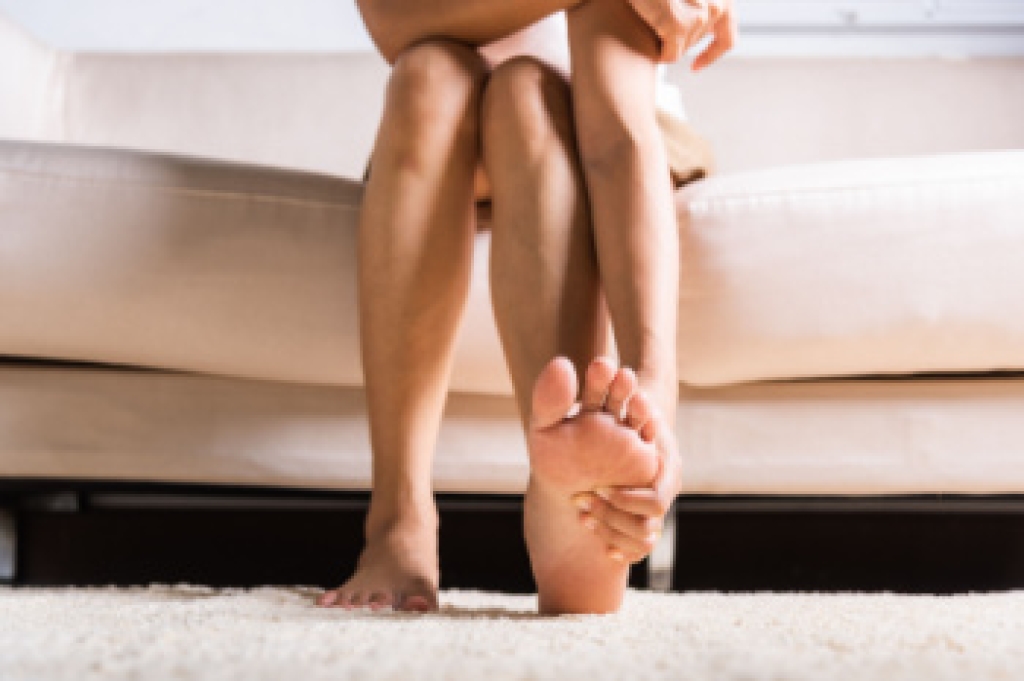
Read more about How to Handle a Long Work Day on Your Feet

Types of Ingrown Toenail Surgery

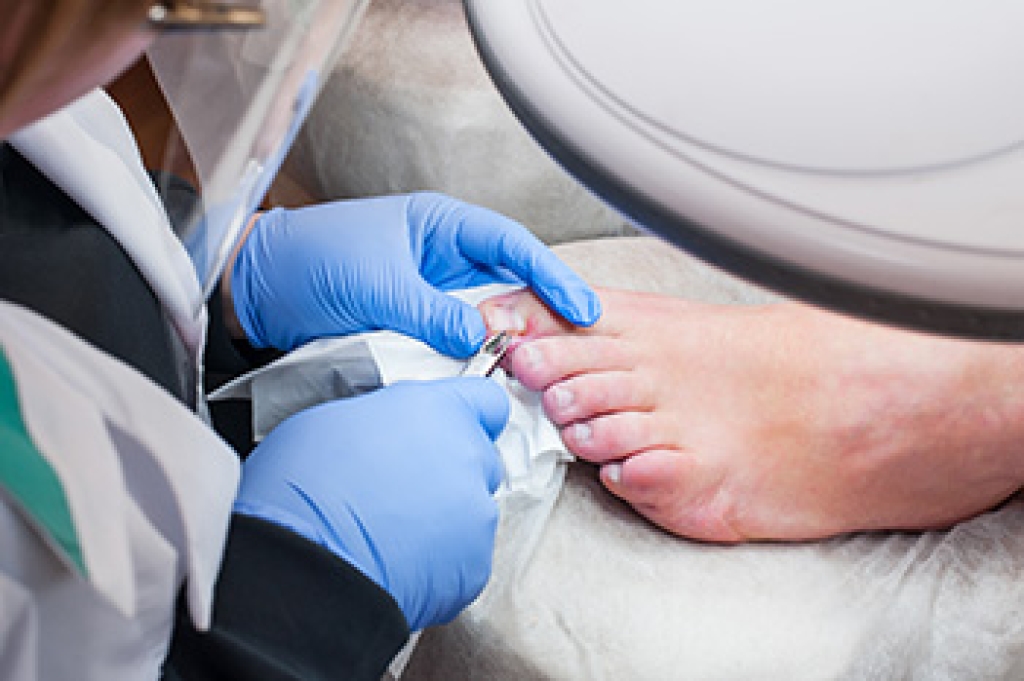
Ingrown toenail surgery is a medical procedure performed to treat toenails that grow into the surrounding skin, causing pain, swelling, and infection. Surgery may be necessary when conservative treatments such as soaking, proper trimming, or topical care fail to relieve symptoms. Common types of procedures include wedge excision, which removes a portion of the nail, Zadek's procedure, which addresses nail matrix issues, and simple toenail removal for severe cases. A podiatrist can evaluate the condition, recommend the most appropriate surgical option, and provide post-operative care to ensure proper healing and prevent recurrence. If you are experiencing recurring ingrown toenails, it is suggested that you promptly schedule an appointment with a podiatrist for an expert assessment and discussion on how surgery might benefit you.

Foot surgery is sometimes necessary to treat a foot ailment. To learn more, contact Mark Poplawski, DPM of Jersey Shore Podiatry, LLC. Our doctor will assist you with all of your foot and ankle needs.

When Is Surgery Necessary?

Foot and ankle surgery is generally reserved for cases in which less invasive, conservative procedures have failed to alleviate the problem. Some of the cases in which surgery may be necessary include:

  • Removing foot deformities like bunions and bone spurs
  • Severe arthritis that has caused bone issues
  • Cosmetic reconstruction

What Types of Surgery Are There?

The type of surgery you receive will depend on the nature of the problem you have. Some of the possible surgeries include:

  • Bunionectomy for painful bunions
  • Surgical fusion for realignment of bones
  • Neuropathy decompression surgery to treat nerve damage

Benefits of Surgery

Although surgery is usually a last resort, it can provide more complete pain relief compared to non-surgical methods and may allow you to finally resume full activity.

Surgical techniques have also become increasingly sophisticated. Techniques like endoscopic surgery allow for smaller incisions and faster recovery times.

If you have any questions, please feel free to contact our office located in Toms River, NJ . We offer the newest diagnostic and treatment technologies for all your foot care needs.

Read more about Foot and Ankle Surgery

Kager’s Fat Pad and Its Role in Heel Pain

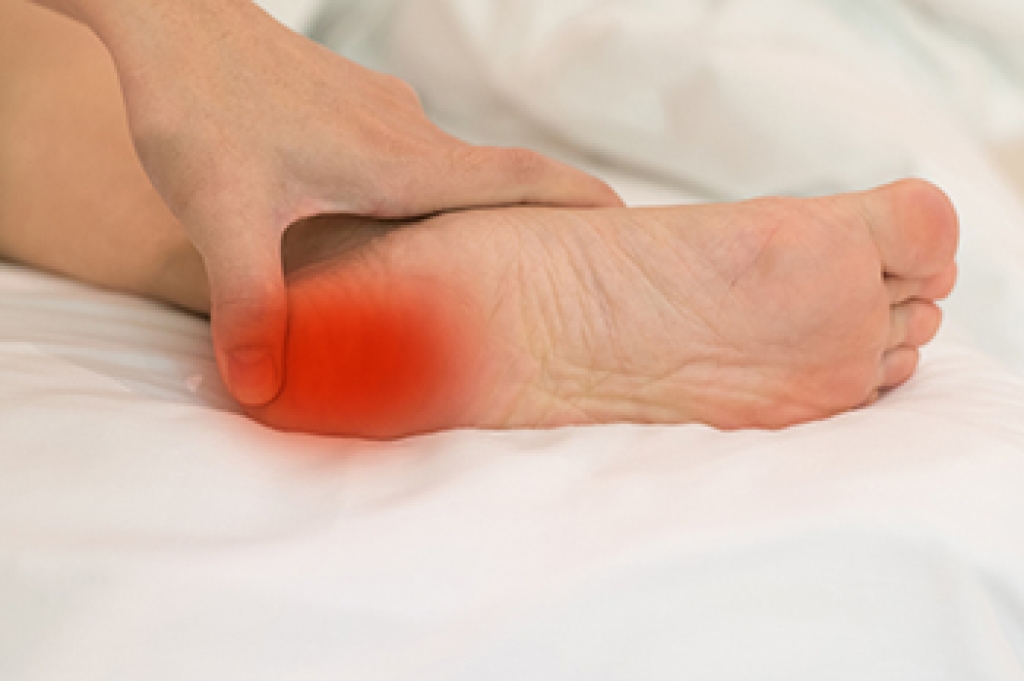
Kager’s fat pad is a soft, cushion-like structure located in the back of the ankle, behind the Achilles tendon. It helps reduce friction and absorb shock during movement. Fat pad syndrome occurs when this area becomes inflamed or irritated, often due to overuse, injury, or biomechanical stress. This condition can cause pain and swelling behind the heel and may affect the function of the Achilles tendon, making walking or standing uncomfortable. A podiatrist can diagnose Kager’s fat pad syndrome through imaging, recommend rest, or custom orthotics, and address any contributing tendon issues. If you have symptoms of this condition, it is suggested that you consult a podiatrist who can guide you toward effective relief and treatment solutions.

Many people suffer from bouts of heel pain. For more information, contact Mark Poplawski, DPM of Jersey Shore Podiatry, LLC. Our doctor can provide the care you need to keep you pain-free and on your feet.

Causes of Heel Pain

Heel pain is often associated with plantar fasciitis. The plantar fascia is a band of tissues that extends along the bottom of the foot. A rip or tear in this ligament can cause inflammation of the tissue.

Achilles tendonitis is another cause of heel pain. Inflammation of the Achilles tendon will cause pain from fractures and muscle tearing. Lack of flexibility is also another symptom.

Heel spurs are another cause of pain. When the tissues of the plantar fascia undergo a great deal of stress, it can lead to ligament separation from the heel bone, causing heel spurs.

Why Might Heel Pain Occur?

  • Wearing ill-fitting shoes                
  • Wearing non-supportive shoes
  • Weight change           
  • Excessive running

Treatments

Heel pain should be treated as soon as possible for immediate results. Keeping your feet in a stress-free environment will help. If you suffer from Achilles tendonitis or plantar fasciitis, applying ice will reduce the swelling. Stretching before an exercise like running will help the muscles. Using all these tips will help make heel pain a condition of the past.

If you have any questions, please feel free to contact our office located in Toms River, NJ . We offer the newest diagnostic and treatment technologies for all your foot care needs.

Read more about Heel Pain

Facts About Lumps on the Side of the Foot

A lump on the side of the foot can develop from several causes related to foot structure, fluid buildup, inflammation, or benign growths. Structural issues such as bone prominence or joint misalignment may create noticeable bumps, while inflammation from overuse or irritation can lead to swollen areas. Fluid-filled cysts or soft tissue growths can also appear, causing discomfort or difficulty wearing shoes. A podiatrist can determine the exact cause through a thorough examination and imaging, offering treatment options such as custom orthotics, medication, or minor procedures. If you notice a lump on the side of your foot, it is suggested that you schedule an appointment with a podiatrist who can accurately diagnose the cause, and offer effective relief and management tips.

Foot Pain

Foot pain can be extremely painful and debilitating. If you have a foot pain, consult with Mark Poplawski, DPM from Jersey Shore Podiatry, LLC. Our doctor will assess your condition and provide you with quality foot and ankle treatment.

Causes

Foot pain is a very broad condition that could be caused by one or more ailments. The most common include:

  • Bunions
  • Hammertoes
  • Plantar Fasciitis
  • Bone Spurs
  • Corns
  • Tarsal Tunnel Syndrome
  • Ingrown Toenails
  • Arthritis (such as Gout, Rheumatoid, and Osteoarthritis)
  • Flat Feet
  • Injury (from stress fractures, broken toe, foot, ankle, Achilles tendon ruptures, and sprains)
  • And more

Diagnosis

To figure out the cause of foot pain, podiatrists utilize several different methods. This can range from simple visual inspections and sensation tests to X-rays and MRI scans. Prior medical history, family medical history, and any recent physical traumatic events will all be taken into consideration for a proper diagnosis.

Treatment

Treatment depends upon the cause of the foot pain. Whether it is resting, staying off the foot, or having surgery; podiatrists have a number of treatment options available for foot pain.

If you have any questions, please feel free to contact our office located in Toms River, NJ . We offer the newest diagnostic and treatment technologies for all your foot care needs.

Read more about Foot Pain