facebook icon twitter icon Google icon YouTube icon

Understanding Foot Problems in Juvenile Idiopathic Arthritis

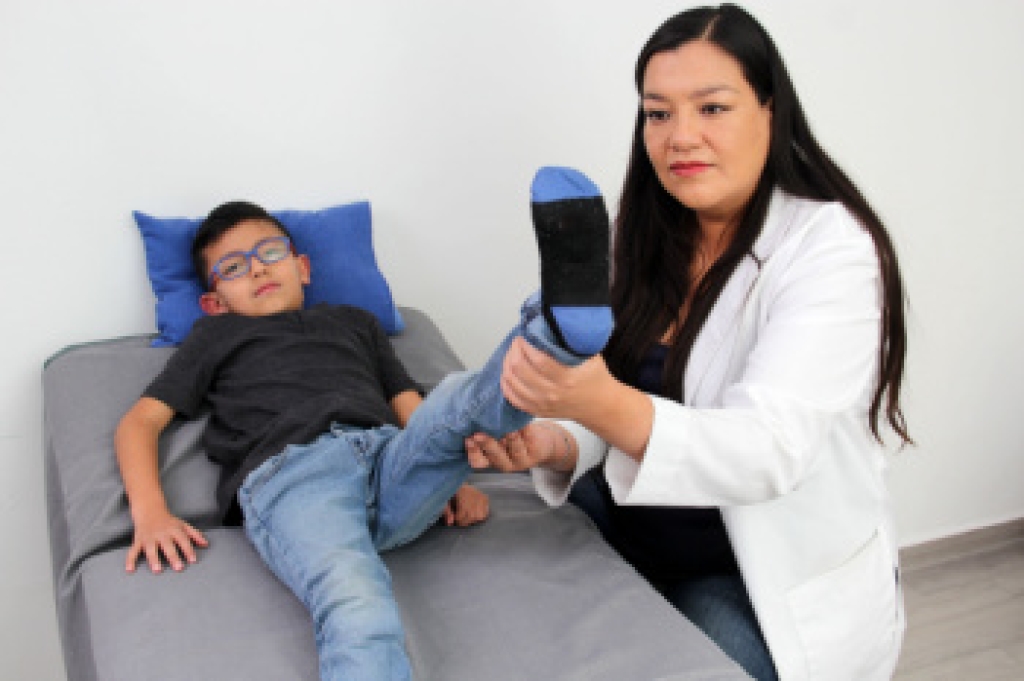
Juvenile idiopathic arthritis is a long-term inflammatory condition that affects children under age 16. It causes the immune system to mistakenly attack the lining of the joints, leading to swelling, stiffness, and pain. Although many people think of arthritis affecting the hands or knees, the feet and ankles are commonly involved in children with this condition. When these joints are affected, walking, running, and daily activities can become difficult. Studies show that problems in the lower limbs often cause the greatest limits in movement and comfort. Children may experience ankle or foot pain, inflammation surrounding the tendons, or develop flat feet that place extra strain on the joints. When the disease is more active, these symptoms can greatly affect quality of life. Early care is important to protect growing joints. If your child has foot or ankle pain related to arthritis, it is suggested that you visit a podiatrist who can evaluate the problem and recommend appropriate treatment.

Arthritis can be a difficult condition to live with. If you are seeking treatment, contact Mark Poplawski, DPM from Jersey Shore Podiatry, LLC. Our doctor can provide the care you need to keep you pain-free and on your feet.

Arthritic Foot Care  

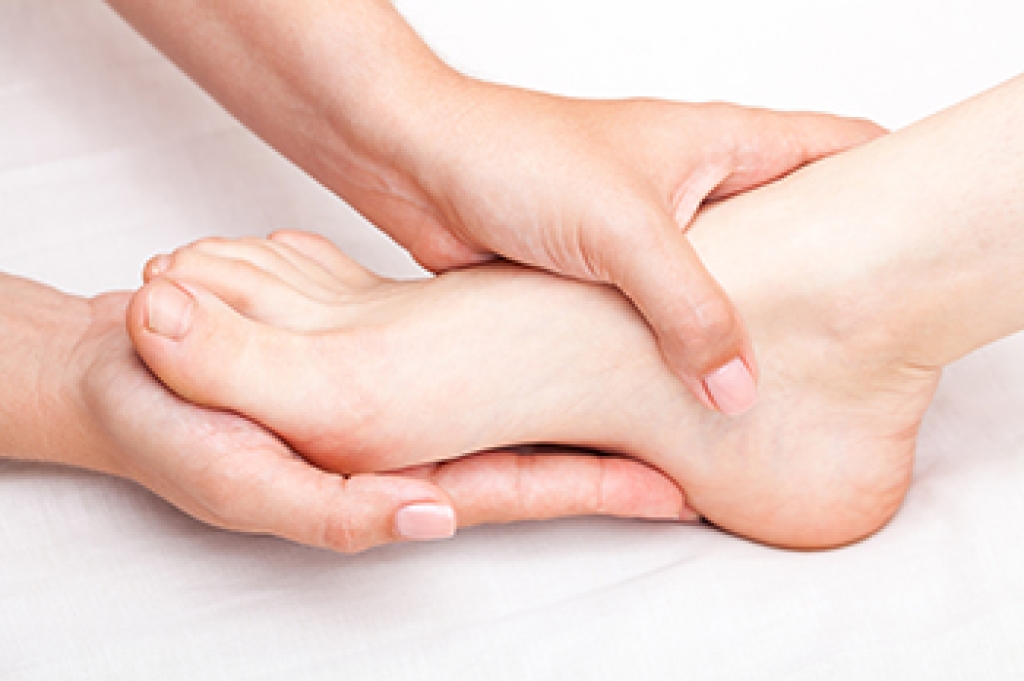
Arthritis is a joint disorder that involves the inflammation of different joints in your body, such as those in your feet. Arthritis is often caused by a degenerative joint disease and causes mild to severe pain in all affected areas. In addition to this, swelling and stiffness in the affected joints can also be a common symptom of arthritis.

In many cases, wearing ill-fitting shoes can worsen the effects and pain of arthritis. Wearing shoes that have a lower heel and extra room can help your feet feel more comfortable. In cases of rheumatoid arthritis, the arch in your foot may become problematic. Buying shoes with proper arch support that contour to your feet can help immensely.

Alleviating Arthritic Pain

  • Exercises that stretch the foot can prevent further pain and injury and increase mobility
  • Most of the pain can be alleviated with anti-inflammatory drugs, heat, and topical medications
  • Massages can help temporarily alleviate pain.

It is best to see your doctor for the treatment that is right for your needs and symptoms. Conditions vary, and a podiatrist can help you determine the right method of care for your feet.

If you have any questions please feel free to contact our office located in Toms River, NJ . We offer the newest diagnostic tools and technology to treat your foot and ankle needs.
Read more about Arthritic Foot Care

What Is Extensor Tendinopathy?

Extensor tendinopathy is a musculoskeletal condition involving irritation or inflammation of the extensor tendons that run along the top of the foot and help lift the toes during walking. This condition may develop when these tendons experience repetitive strain or excessive pressure. Causes can include older age, excess body weight, diabetes-related changes, in addition to certain types of arthritis, and wearing ill fitting shoes that place stress across the top of the foot. Symptoms include tenderness, swelling at the top of the foot, and pain that increases with physical activity or prolonged walking. Risk factors include repetitive movement, poor footwear support, and underlying inflammatory conditions. A podiatrist can evaluate tendon health and recommend supportive treatment. If persistent foot pain develops, it is suggested that you consult a podiatrist who can offer effective relief and treatment solutions.

Foot Pain

Foot pain can be extremely painful and debilitating. If you have a foot pain, consult with Mark Poplawski, DPM from Jersey Shore Podiatry, LLC. Our doctor will assess your condition and provide you with quality foot and ankle treatment.

Causes

Foot pain is a very broad condition that could be caused by one or more ailments. The most common include:

  • Bunions
  • Hammertoes
  • Plantar Fasciitis
  • Bone Spurs
  • Corns
  • Tarsal Tunnel Syndrome
  • Ingrown Toenails
  • Arthritis (such as Gout, Rheumatoid, and Osteoarthritis)
  • Flat Feet
  • Injury (from stress fractures, broken toe, foot, ankle, Achilles tendon ruptures, and sprains)
  • And more

Diagnosis

To figure out the cause of foot pain, podiatrists utilize several different methods. This can range from simple visual inspections and sensation tests to X-rays and MRI scans. Prior medical history, family medical history, and any recent physical traumatic events will all be taken into consideration for a proper diagnosis.

Treatment

Treatment depends upon the cause of the foot pain. Whether it is resting, staying off the foot, or having surgery; podiatrists have a number of treatment options available for foot pain.

If you have any questions, please feel free to contact our office located in Toms River, NJ . We offer the newest diagnostic and treatment technologies for all your foot care needs.

Read more about Foot Pain

Gout Pain Can Be Managed

Gout is a painful, inflammatory form of arthritis. Those affected will typically feel an intense stiffness in the joints of their feet, particularly in the big toe. Schedule a visit to learn about how gout can be managed and treated.

Formation and Treatment of Seed Corns

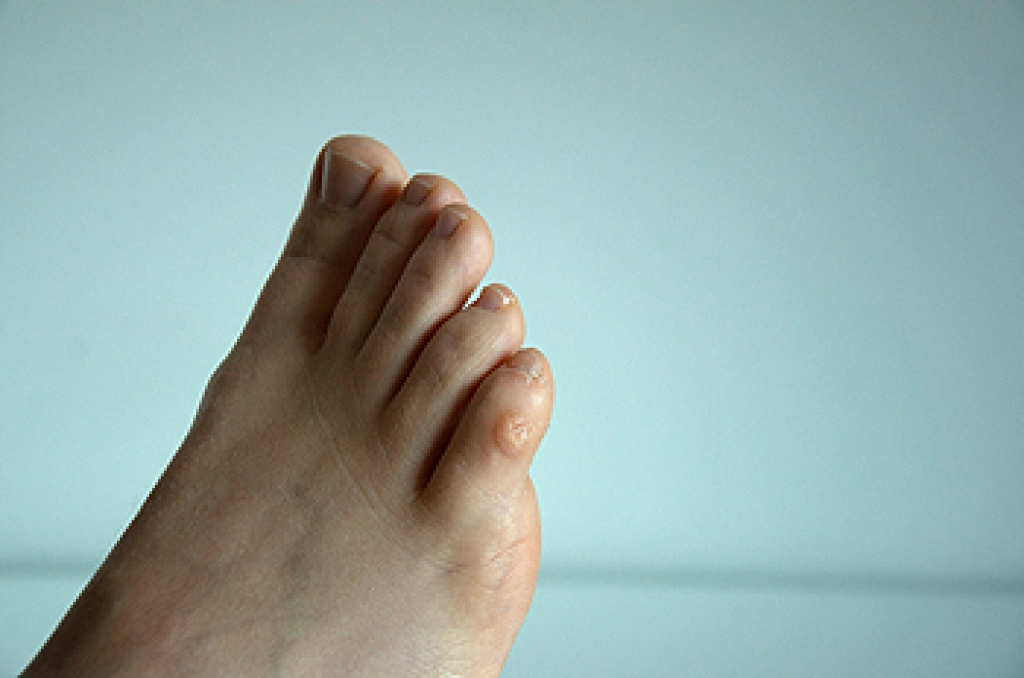
Seed corns are tiny, round areas of thickened skin that form on the bottom of the foot due to repeated pressure and friction. The name seed corn refers to small, well-defined spots that often appear in clusters. They are commonly linked to dry skin, tight shoes, and foot deformities like bunions or hammertoes, which change how weight is distributed across the sole. Unlike calluses, which are usually larger and spread out, seed corns stay small and circular. They can also resemble plantar warts, but warts often interrupt normal skin lines and may contain small dark dots. Seed corns can become painful when located on weight-bearing areas like the ball of the foot. A podiatrist can carefully examine the lesion, confirm the diagnosis, safely reduce thickened skin, and address underlying pressure points with footwear guidance or custom orthotics. If you have a painful corn on your foot, it is suggested that you make an appointment with a podiatrist for an exam, diagnosis, and treatment.

Corns can make walking very painful and should be treated immediately. If you have questions regarding your feet and ankles, contact Mark Poplawski, DPM of Jersey Shore Podiatry, LLC. Our doctor will treat your foot and ankle needs.

Corns: What Are They? And How Do You Get Rid of Them?
Corns are thickened areas on the skin that can become painful. They are caused by excessive pressure and friction on the skin. Corns press into the deeper layers of the skin and are usually round in shape.

Ways to Prevent Corns
There are many ways to get rid of painful corns such as:

  • Wearing properly fitting shoes that have been measured by a professional
  • Wearing shoes that are not sharply pointed or have high heels
  • Wearing only shoes that offer support

Treating Corns

Although most corns slowly disappear when the friction or pressure stops, this isn’t always the case. Consult with your podiatrist to determine the best treatment option for your case of corns.

If you have any questions, please feel free to contact our office located in Toms River, NJ . We offer the newest diagnostic and treatment technologies for all your foot care needs.

Read more about Corns and Calluses

When Itching Between the Toes Will Not Go Away

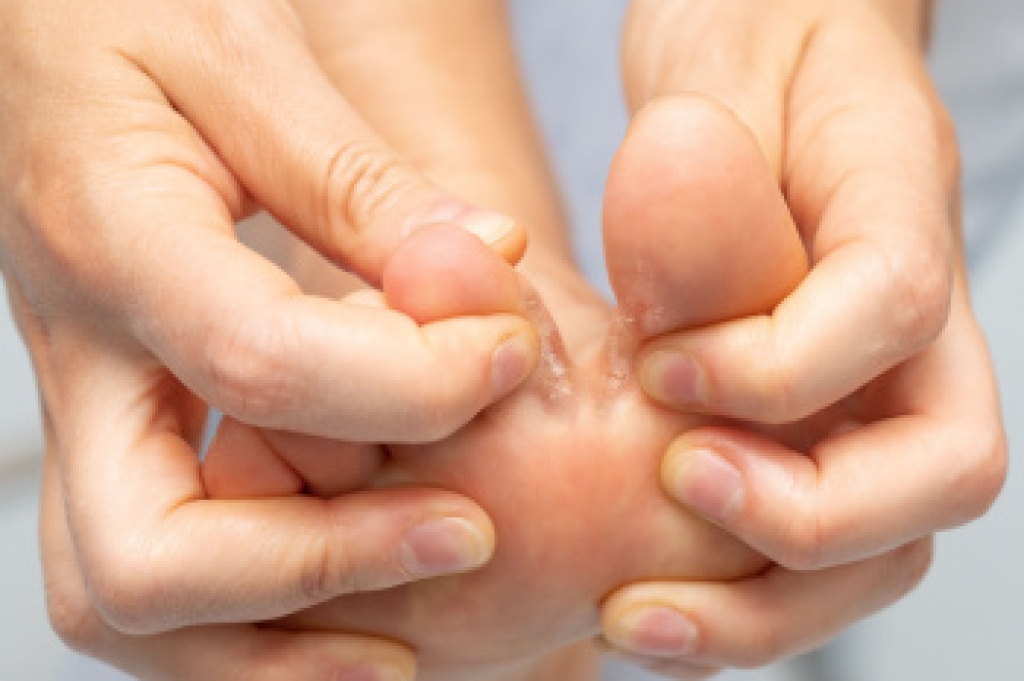
Athlete’s foot is a common fungal infection that affects the skin of the feet, especially between the toes. It thrives in warm, moist environments such as sweaty shoes and locker rooms. The skin may look red, scaly, or cracked, and some areas can appear white and soggy. Many patients describe persistent itching, burning, or stinging that worsens after removing shoes. In more advanced cases, small blisters or peeling skin may develop, and the infection can spread to the soles or even the toenails. A podiatrist begins with a careful examination of the skin and may take a small sample to confirm the diagnosis. Treatment often includes prescription antifungal medication, guidance on proper foot hygiene, and recommendations for breathable footwear. Early care helps prevent recurrence and secondary bacterial infection. If you have athlete’s foot that does not improve or continues to return, it is suggested that you make an appointment with a podiatrist for proper treatment.

Athlete’s foot is an inconvenient condition that can be easily reduced with the proper treatment. If you have any concerns about your feet and ankles, contact Mark Poplawski, DPM from Jersey Shore Podiatry, LLC.  Our doctor will treat your foot and ankle needs.

Athlete’s Foot: The Sole Story

Athlete's foot, also known as tinea pedis, can be an extremely contagious foot infection. It is commonly contracted in public changing areas and bathrooms, dormitory style living quarters, around locker rooms and public swimming pools, or anywhere your feet often come into contact with other people.

Solutions to Combat Athlete’s Foot

  • Hydrate your feet by using lotion
  • Exfoliate
  • Buff off nails
  • Use of anti-fungal products
  • Examine your feet and visit your doctor if any suspicious blisters or cuts develop

Athlete’s foot can cause many irritating symptoms such as dry and flaking skin, itching, and redness. Some more severe symptoms can include bleeding and cracked skin, intense itching and burning, and even pain when walking. In the worst cases, Athlete’s foot can cause blistering as well. Speak to your podiatrist for a better understanding of the different causes of Athlete’s foot, as well as help in determining which treatment options are best for you.

If you have any questions please feel free to contact our office located in Toms River, NJ . We offer the newest diagnostic and treatment technologies for all your foot and ankle needs.

Read more about Athlete's Foot