facebook icon twitter icon Google icon YouTube icon

Proper Wound Care Begins With Clean Hands

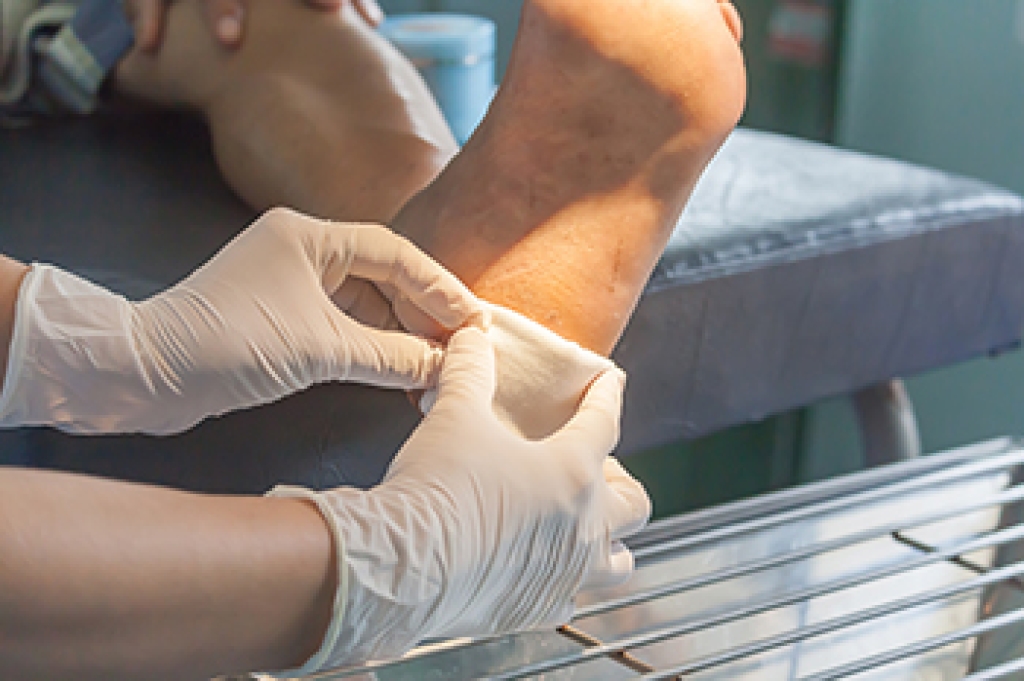
A wound can happen from a surgical cut that is made through the skin, or it can happen for other reasons. Proper wound care starts with washing and drying the hands, followed by gently cleaning the wound. This can be done by using a saline solution or soapy water. It is crucial to remove any dried blood that has accumulated, which can aid in the healing process. When applying the dressing, it is important to cover the entire wound, in addition to changing it daily. If the wound is on the foot, it generally needs prompt medical attention. Diabetic patients can easily have wounds on their feet as a result of neuropathy, which is the inability to feel cuts or scrapes. Wounds can form from existing cuts in people who are diabetic, which can possibly prompt critical health hazards to develop. If you have a wound on your foot, it is strongly suggested that you are under the care of a podiatrist who can accelerate the healing process with proper treatment.

Wound care is an important part in dealing with diabetes. If you have diabetes and a foot wound or would like more information about wound care for diabetics, consult with Mark Poplawski, DPM from Jersey Shore Podiatry, LLC. Our doctor will assess your condition and provide you with quality foot and ankle treatment.

What Is Wound Care?

Wound care is the practice of taking proper care of a wound. This can range from the smallest to the largest of wounds. While everyone can benefit from proper wound care, it is much more important for diabetics. Diabetics often suffer from poor blood circulation which causes wounds to heal much slower than they would in a non-diabetic. 

What Is the Importance of Wound Care?

While it may not seem apparent with small ulcers on the foot, for diabetics, any size ulcer can become infected. Diabetics often also suffer from neuropathy, or nerve loss. This means they might not even feel when they have an ulcer on their foot. If the wound becomes severely infected, amputation may be necessary. Therefore, it is of the upmost importance to properly care for any and all foot wounds.

How to Care for Wounds

The best way to care for foot wounds is to prevent them. For diabetics, this means daily inspections of the feet for any signs of abnormalities or ulcers. It is also recommended to see a podiatrist several times a year for a foot inspection. If you do have an ulcer, run the wound under water to clear dirt from the wound; then apply antibiotic ointment to the wound and cover with a bandage. Bandages should be changed daily and keeping pressure off the wound is smart. It is advised to see a podiatrist, who can keep an eye on it.

If you have any questions please contact our office located in Toms River, NJ . We offer the newest diagnostic and treatment technologies for all your foot and ankle needs.
Read more about Wound Care

Causes and Prevention of Plantar Fasciitis

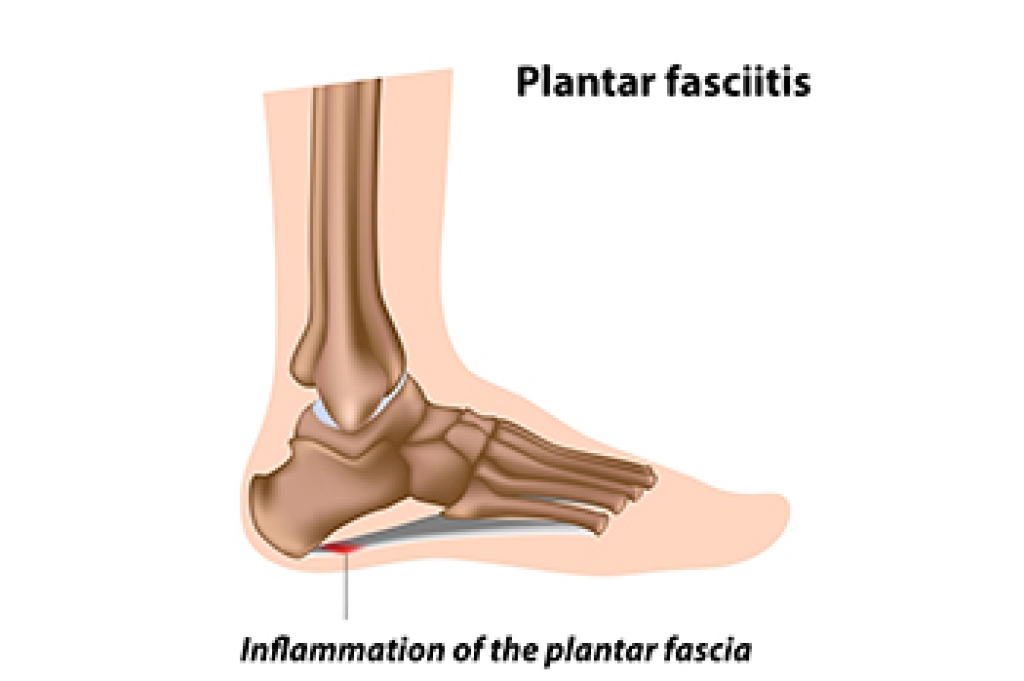
One of the most annoying injuries experienced by runners is plantar fasciitis. This condition is said to be an overuse injury that causes the tearing of a band of tissue in the sole that connects the toes to the heel. When this tissue, termed plantar fascia, is irritated, it becomes inflamed. This develops into pain most commonly felt in the heel and under the arch. Unfortunately, the pain felt from plantar fasciitis is typically worse early in the day and calms down while running. As a result, runners might ignore it, increasing the problem over time. This contributes to further damage to the plantar fascia. Instead, taking measures to relieve the condition is recommended. Icing the heel can help, and ceasing the activity that caused the problem is paramount to helping the fascia to heal. Certain exercises can be performed to reduce the symptoms while also allowing time for the tissue to heal. For information and direction on ways to treat plantar fasciitis, it is suggested you consult a podiatrist. 

Plantar fasciitis can be very painful and inconvenient. If you are experiencing heel pain or symptoms of plantar fasciitis, contact Mark Poplawski, DPM  from Jersey Shore Podiatry, LLC. Our doctor can provide the care you need to keep you pain-free and on your feet.

What Is Plantar Fasciitis?

Plantar fasciitis is the inflammation of the thick band of tissue that runs along the bottom of your foot, known as the plantar fascia, and causes mild to severe heel pain.

What Causes Plantar Fasciitis?

  • Excessive running
  • Non-supportive shoes
  • Overpronation
  • Repeated stretching and tearing of the plantar fascia

How Can It Be Treated?

  • Conservative measures – anti-inflammatories, ice packs, stretching exercises, physical therapy, orthotic devices
  • Shockwave therapy – sound waves are sent to the affected area to facilitate healing and are usually used for chronic cases of plantar fasciitis
  • Surgery – usually only used as a last resort when all else fails. The plantar fascia can be surgically detached from the heel

While very treatable, plantar fasciitis is definitely not something that should be ignored. Especially in severe cases, speaking to your doctor right away is highly recommended to avoid complications and severe heel pain. Your podiatrist can work with you to provide the appropriate treatment options tailored to your condition.

If you have any questions, please feel free to contact our office located in Toms River, NJ . We offer the newest diagnostic and treatment technologies for all your foot care needs.

Read more about Plantar Fasciitis

Genetics May Cause Bunions to Form

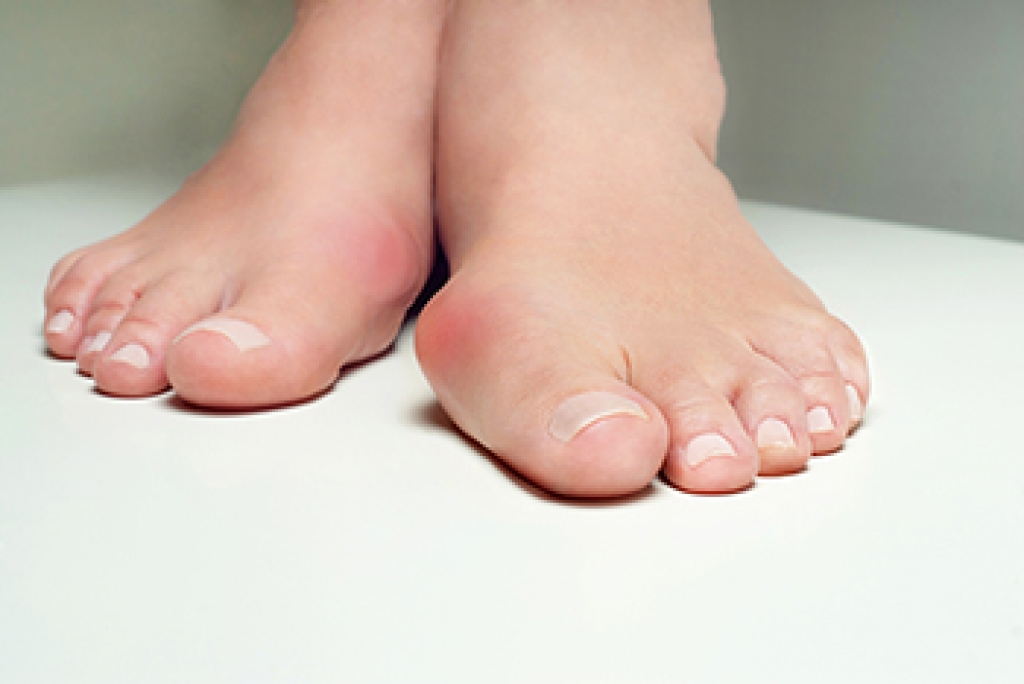
A bunion is easy to notice. The medical term for this condition is referred to as hallux valgus, and is evident by the bony lump that gradually develops on the side of the big toe. It happens from genetic reasons, or from wearing shoes that do not have ample room for the toes to move in freely. This may cause pressure to be exerted on the big toe, which can move toward the other toes, possibly causing them to shift toward each other. Many people develop corns or calluses on top of the toe from having it rub on the top of the shoe, and it can appear unsightly. Having an abnormal foot structure may lead to developing bunions, which is why family members may have them. Patients may choose to wear protective coverings over their bunion, which can shield it from the top of the shoe. If you have developed this ailment, it is suggested that you are under the care of a podiatrist who may recommend surgery for permanent removal.

If you are suffering from bunions, contact Mark Poplawski, DPM of Jersey Shore Podiatry, LLC. Our doctor can provide the care you need to keep you pain-free and on your feet.

What Is a Bunion?

A bunion is formed of swollen tissue or an enlargement of boney growth, usually located at the base joint of the toe that connects to the foot. The swelling occurs due to the bones in the big toe shifting inward, which impacts the other toes of the foot. This causes the area around the base of the big toe to become inflamed and painful.

Why Do Bunions Form?

Genetics – Susceptibility to bunions are often hereditary

Stress on the feet – Poorly fitted and uncomfortable footwear that places stress on feet, such as heels, can worsen existing bunions

How Are Bunions Diagnosed?

Doctors often perform two tests – blood tests and x-rays – when trying to diagnose bunions, especially in the early stages of development. Blood tests help determine if the foot pain is being caused by something else, such as arthritis, while x-rays provide a clear picture of your bone structure to your doctor.

How Are Bunions Treated?

  • Refrain from wearing heels or similar shoes that cause discomfort
  • Select wider shoes that can provide more comfort and reduce pain
  • Anti-inflammatory and pain management drugs
  • Orthotics or foot inserts
  • Surgery

If you have any questions, please feel free to contact our office located in Toms River, NJ . We offer the newest diagnostic and treatment technologies for all your foot care needs.

Read more about Bunions

Crack the Case of Cracked Heels

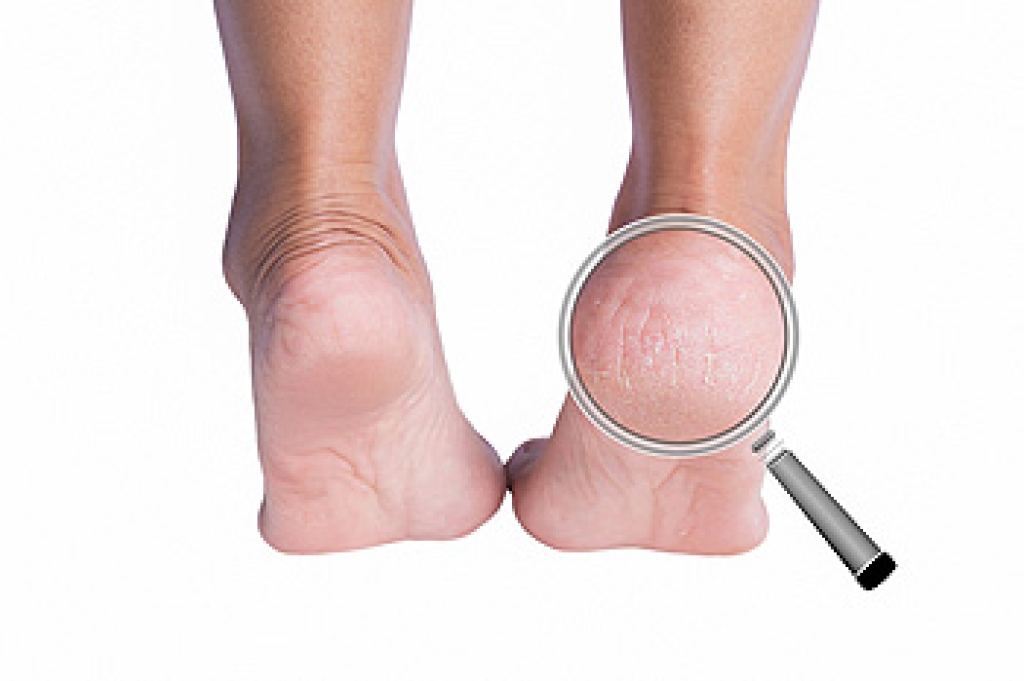
Cracked heels, also known as heel fissures, are common and can affect anyone. However, women are more apt to report this condition than men. Cracked heels are unsightly, can cause discomfort, and if left untreated, can lead to infections. If the cracks run deep, it can hurt to stand and walk, and they may even bleed. Heel fissures are generally a result of dry skin but can also be caused by obesity, standing for long periods, or wearing ill-fitting shoes. Along with the cracks, the skin on the heel can become thick and discolored. Sometimes calluses can develop on the heel edge. A few home remedies one can try are moisturizing treatments, using petroleum jelly, and applying a keratolytic to thickened skin. Using creams, lotions, or ointments can help restore moisture to the skin on the heels. Petroleum jelly can be applied to cracked heels at night, and 100% cotton socks can be worn to keep moisture in, allow the skin to breathe, and prevent bed sheets from getting stained. If this condition does not abate with self-care techniques, is related to a medical condition, or an infection seems to be looming, see a podiatrist who can offer treatment options to restore you to comfort.

If the skin on your feet starts to crack, you may want to see a podiatrist to find treatment. If you have any concerns, contact Mark Poplawski, DPM from Jersey Shore Podiatry, LLC. Our doctor can provide the care you need to keep you pain-free and on your feet.

Cracked Heels

It is important to moisturize your cracked heels in order to prevent pain, bleeding, and infection. The reason cracked heels form is because the skin on the foot is too dry to support the immense pressure placed on them. When the foot expands, the dry skin on the foot begins to split.

Ways to Help Heal Them

  • Invest in a good foot cream
  • Try Using Petroleum Jelly
  • Ease up on Soaps
  • Drink Plenty of Water

Ways to Prevent Cracked Heels

  • Moisturize After Showering
  • Skip a Shower
  • Keep Shower Water Lukewarm
  • Don’t Scrub Your Feet

If you are unsure how to proceed in treating cracked heels, seek guidance from a podiatrist. Your doctor will help you with any questions or information you may need. 

If you have any questions, please feel free to contact our office located in Toms River, NJ . We offer the newest diagnostic and treatment technologies for all your foot care needs.

Read more about Solutions for Cracked Heels