
facebook icon twitter icon Google icon YouTube icon

Common Causes of Foot Drop

Foot drop is a condition in which the foot drags or has difficulty lifting while walking, often caused by weakness in the muscles that raise the front of the foot and toes. This weakness can develop from problems in the muscles themselves, nerve damage that interrupts signals to the foot and ankle, or structural issues that affect movement. People with foot drop often change their walking style to avoid tripping, sometimes lifting the knee higher than normal to clear the toes from the ground. Over time, this can create additional strain on the joints of the foot and ankle. Causes include direct injury to the dorsiflexor muscles, nerve compression, diabetic neuropathy, or stroke-related changes. A podiatrist can identify the underlying reason for the problem and recommend supportive devices to improve mobility. If you have problems lifting your feet while walking, it is suggested that you make an appointment with a podiatrist for an exam, diagnosis, and treatment.

If you have any concerns about your feet, contact Mark Poplawski, DPM from Jersey Shore Podiatry, LLC. Our doctor can provide the care you need to keep you pain-free and on your feet.

Biomechanics in Podiatry

Podiatric biomechanics is a particular sector of specialty podiatry with licensed practitioners who are trained to diagnose and treat conditions affecting the foot, ankle and lower leg. Biomechanics deals with the forces that act against the body, causing an interference with the biological structures. It focuses on the movement of the ankle, the foot and the forces that interact with them.

A History of Biomechanics

  • Biomechanics dates back to the BC era in Egypt where evidence of professional foot care has been recorded.
  • In 1974, biomechanics gained a higher profile from the studies of Merton Root, who claimed that by changing or controlling the forces between the ankle and the foot, corrections or conditions could be implemented to gain strength and coordination in the area.

Modern technological improvements are based on past theories and therapeutic processes that provide a better understanding of podiatric concepts for biomechanics. Computers can provide accurate information about the forces and patterns of the feet and lower legs.

Understanding biomechanics of the feet can help improve and eliminate pain, stopping further stress to the foot.

If you have any questions please feel free to contact our office located in Toms River, NJ . We offer the newest diagnostic and treatment technologies for all your foot and ankle needs.

Read more about The Importance of Biomechanics in Podiatry

Let the Expert Treat Your Ingrown Toenails

Ingrown toenails can be painful and can make wearing shoes or walking uncomfortable. Seek professional help if you believe you've developed an ingrown toenail and be treated safely. 

Understanding Athlete's Foot and Foot Bumps

Athlete's foot is a common fungal infection that causes itching, burning, and peeling skin, often between the toes or on the soles. It is typically caused by exposure to warm, moist environments like locker rooms, showers, or sweaty footwear, where the fungus thrives. In some cases, small red bumps or blisters may appear, adding discomfort and making walking painful. These bumps can also be caused by blocked sweat glands, clogged pores, or other skin conditions. The infected areas may look dry, scaly, cracked, or inflamed. A podiatrist can check the affected skin and identify the exact cause through a physical exam and possible lab tests. Treatment options include antifungal creams, oral medications, foot hygiene recommendations, and custom care plans for more persistent cases. Ignoring symptoms can lead to the infection worsening or spreading. It is suggested that you make an appointment with a podiatrist to receive a proper diagnosis and effective treatment before the condition progresses.

Athlete’s foot is an inconvenient condition that can be easily reduced with the proper treatment. If you have any concerns about your feet and ankles, contact Mark Poplawski, DPM from Jersey Shore Podiatry, LLC.  Our doctor will treat your foot and ankle needs.

Athlete’s Foot: The Sole Story

Athlete's foot, also known as tinea pedis, can be an extremely contagious foot infection. It is commonly contracted in public changing areas and bathrooms, dormitory style living quarters, around locker rooms and public swimming pools, or anywhere your feet often come into contact with other people.

Solutions to Combat Athlete’s Foot

  • Hydrate your feet by using lotion
  • Exfoliate
  • Buff off nails
  • Use of anti-fungal products
  • Examine your feet and visit your doctor if any suspicious blisters or cuts develop

Athlete’s foot can cause many irritating symptoms such as dry and flaking skin, itching, and redness. Some more severe symptoms can include bleeding and cracked skin, intense itching and burning, and even pain when walking. In the worst cases, Athlete’s foot can cause blistering as well. Speak to your podiatrist for a better understanding of the different causes of Athlete’s foot, as well as help in determining which treatment options are best for you.

If you have any questions please feel free to contact our office located in Toms River, NJ . We offer the newest diagnostic and treatment technologies for all your foot and ankle needs.

Read more about How to Deal with Athlete's Foot

Foot Protection for Construction Workers

Construction workers place significant stress on their feet due to long hours, heavy lifting, and uneven surfaces. Proper footwear is essential to prevent injuries and maintain foot health. Safety shoes with steel or composite toes, slip-resistant soles, and adequate arch support protect against impacts, punctures, and slips. Wearing improper footwear can lead to plantar fasciitis, stress fractures, bunions, or chronic joint pain. A podiatrist can assess foot health, recommend supportive footwear, and provide treatment for work-related injuries or pain. If you have foot pain from wearing the wrong shoes while working, it is suggested that you consult a podiatrist who can treat various foot conditions and guide you on protective footwear to wear during your workday.

While working on the feet, it is important to take the proper care of them. For more information about working on your feet, contact Mark Poplawski, DPM from Jersey Shore Podiatry, LLC. Our doctor will treat your foot and ankle needs.

Working on Your Feet

Standing on your feet for long periods of time can cause stress and pain in your feet. Your whole body may experience change in terms of posture, back pain, bunions, callouses and or plantar warts. There are ways to avoid these conditions with proper foot care, smart choices and correct posture.

Positive Changes

Negative heeled shoe – Choosing this shoe type places the heel slightly lower than the ball of the foot. These are great for overall foot health. Find shoes that fit you correctly.

Go barefoot – Our feet were not designed to be enclosed for all hours of the day. Try to periodically expose your feet to air.

Eliminate Pain

Foot Exercises – Performing simple exercises, incorporating yoga and doing stretches are beneficial. This will allow increased blood flow to the area and muscles of the foot.

Achilles tendon – Stretching the foot out flat on the floor will relax the calf muscles and tendon. These exercises can be performed almost anywhere. Make sure you add these exercises to your daily regimen. 

With a little bit of this information and knowing more about foot health, you will notice changes. Foot stretches and proper footwear will help with pain and prevent further issues.

If you have any questions please contact our office located in Toms River, NJ . We offer the newest diagnostic and treatment technologies for all your foot and ankle needs.
Read more about Working on Your Feet

Types of Treatment for Ankle Instability

Ankle instability occurs when the ligaments that support the ankle become stretched or torn, leaving the joint vulnerable to repeated sprains. This condition is commonly seen after multiple ankle injuries, and patients often describe their ankle as rolling inward or feeling as if it may give way. True ankle instability results from weakened ligaments. However, functional instability refers to pain or altered mechanics that create the sensation of looseness, even if the ligaments remain stable. Both forms can cause discomfort on the outside or inside of the ankle due to strain on tendons or irritation from altered joint motion. Risk factors include prior ankle sprains, and participation in sports that demand quick changes in direction. A podiatrist can evaluate the extent of instability, identify whether the problem is structural or functional, and recommend treatment. If you experience the feeling that your ankle is giving way, it is suggested that you schedule an appointment with a podiatrist for an accurate diagnosis and appropriate treatment.

Ankle pain can have many different causes and the pain may potentially be serious. If you have ankle pain, consult with Mark Poplawski, DPM from Jersey Shore Podiatry, LLC. Our doctor will assess your condition and provide you with quality foot and ankle treatment.

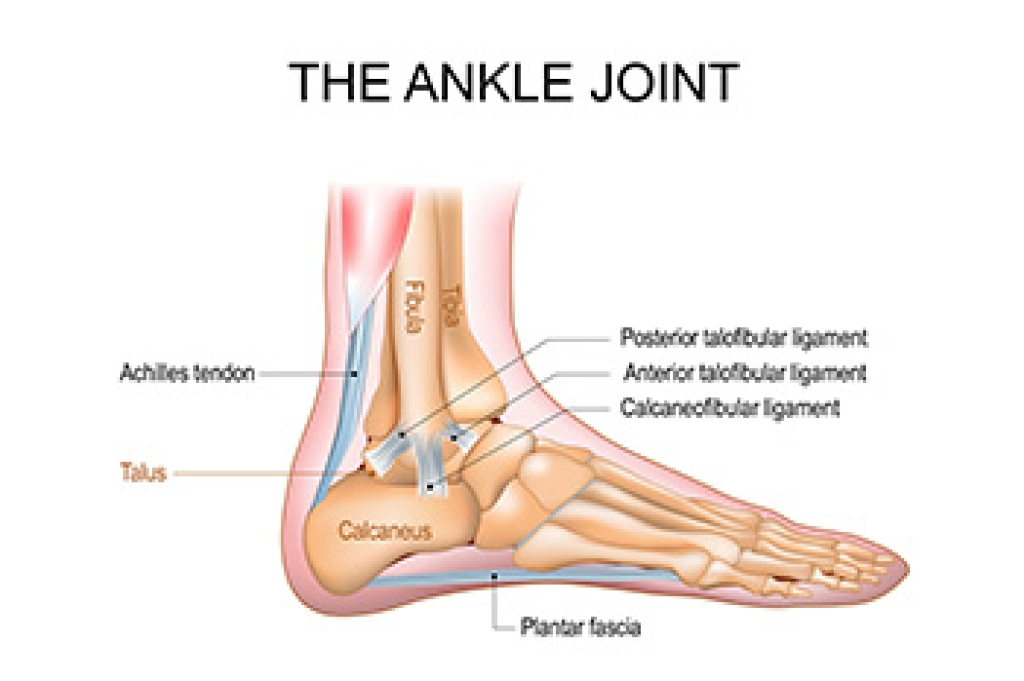
Ankle pain is any condition that causes pain in the ankle. Due to the fact that the ankle consists of tendons, muscles, bones, and ligaments, ankle pain can come from a number of different conditions.

Causes

The most common causes of ankle pain include:

  • Types of arthritis (rheumatoid, osteoarthritis, and gout)
  • Ankle sprains
  • Broken ankles
  • Achilles tendinitis
  • Achilles tendon rupture
  • Stress fractures
  • Tarsal tunnel syndrome
  • Plantar fasciitis

Symptoms

Symptoms of ankle injury vary based upon the condition. Pain may include general pain and discomfort, swelling, aching, redness, bruising, burning or stabbing sensations, and/or loss of sensation.

Diagnosis

Due to the wide variety of potential causes of ankle pain, podiatrists will utilize a number of different methods to properly diagnose ankle pain. This can include asking for personal and family medical histories and of any recent injuries. Further diagnosis may include sensation tests, a physical examination, and potentially x-rays or other imaging tests.

Treatment

Just as the range of causes varies widely, so do treatments. Some more common treatments are rest, ice packs, keeping pressure off the foot, orthotics and braces, medication for inflammation and pain, and surgery.

If you have any questions please feel free to contact our office located in Toms River, NJ . We offer the newest diagnostic tools and technology to treat your foot and ankle needs.

Read more about Ankle Pain