facebook icon twitter icon Google icon YouTube icon

Diabetic Foot Problems and Warning Signs

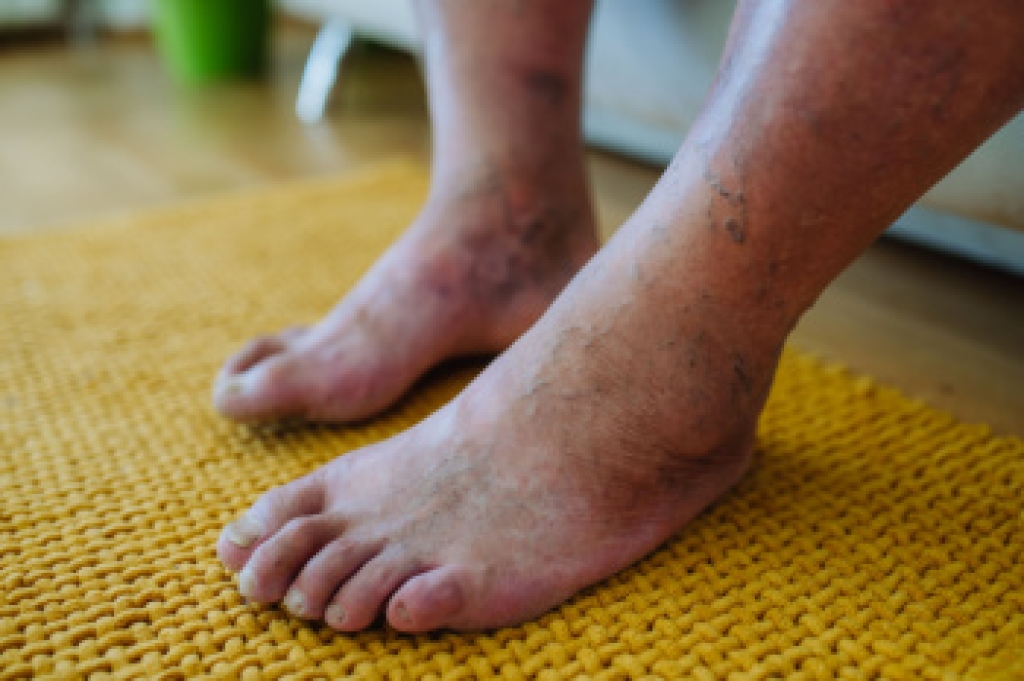
Diabetes can affect the feet in several ways, often creating problems that develop gradually and become serious without early attention. Reduced sensation from nerve damage may make it difficult to feel cuts, blisters, or pressure areas. Poor circulation can slow healing, allowing minor skin injuries to worsen, over time. Changes in foot shape may increase pressure on certain areas, raising the risk of calluses, skin breakdown, and deeper wounds. Infections may also develop more easily when healing is impaired. Some people notice dry, cracked skin, changes in nail health, swelling, or unexplained redness. A podiatrist can examine circulation, sensation, skin condition, and structural changes while helping manage concerns before complications progress. Routine diabetic foot evaluations can play an important role in protecting mobility and overall health. If you have diabetes and notice any foot changes, it is suggested that you visit a podiatrist without delay.

Diabetic foot care is important in preventing foot ailments such as ulcers. If you are suffering from diabetes or have any other concerns about your feet, contact Mark Poplawski, DPM from Jersey Shore Podiatry, LLC. Our doctor can provide the care you need to keep you pain-free and on your feet.

Diabetic Foot Care

Diabetes affects millions of people every year. The condition can damage blood vessels in many parts of the body, especially the feet. Because of this, taking care of your feet is essential if you have diabetes, and having a podiatrist help monitor your foot health is highly recommended.

The Importance of Caring for Your Feet

  • Routinely inspect your feet for bruises or sores.
  • Wear socks that fit your feet comfortably.
  • Wear comfortable shoes that provide adequate support.

Patients with diabetes should have their doctor monitor their blood levels, as blood sugar levels play such a huge role in diabetic care. Monitoring these levels on a regular basis is highly advised.

It is always best to inform your healthcare professional of any concerns you may have regarding your feet, especially for diabetic patients. Early treatment and routine foot examinations are keys to maintaining proper health, especially because severe complications can arise if proper treatment is not applied.

If you have any questions, please feel free to contact our office located in Toms River, NJ . We offer the newest diagnostic and treatment technologies for all your foot care needs.

Read more about Diabetic Foot Conditions

Understanding the Severity of Ankle Sprains

Ankle sprains are among the most common foot and ankle injuries, and occur when the ligaments supporting the ankle are stretched or torn. This often happens during sports, uneven walking surfaces, or sudden twisting movements that force the ankle inward or outward. Symptoms may include pain, swelling, bruising, and difficulty putting weight on the foot. In some cases, the ankle may feel unstable or weak when walking. A mild sprain can improve with rest, while more severe injuries may involve significant swelling and limited movement. Without proper treatment, repeated sprains can lead to chronic instability and ongoing discomfort. A podiatrist can evaluate the injury with a physical examination and imaging studies to determine the severity of the damage. Treatment may include bracing, anti-inflammatory care, or immobilization for more serious injuries. Surgery is sometimes considered when ligaments fail to heal properly. If you have an ankle sprain, it is suggested that you schedule an appointment with a podiatrist for appropriate treatment solutions.

Ankle sprains are common but need immediate attention. If you need your feet checked, contact Mark Poplawski, DPM from Jersey Shore Podiatry, LLC. Our doctor can provide the care you need to keep you pain-free and on your feet.

How Does an Ankle Sprain Occur?

Ankle sprains take place when the ligaments in your ankle are torn or stretched beyond their limits. There are multiple ways that the ankle can become injured, including twisting or rolling over onto your ankle, putting undue stress on it, or causing trauma to the ankle itself.

What Are the Symptoms?

  • Mild to moderate bruising
  • Limited mobility
  • Swelling
  • Discoloration of the skin (depending on severity)

Preventing a Sprain

  • Wearing appropriate shoes for the occasion
  • Stretching before exercises and sports
  • Knowing your limits

Treatment of a Sprain

Treatment of a sprain depends on the severity.  Many times, people are told to rest and remain off their feet completely, while others are given an air cast. If the sprain is very severe, surgery may be required.

If you have suffered an ankle sprain previously, you may want to consider additional support such as a brace and regular exercises to strengthen the ankle.

If you have any questions please feel free to contact our office located in Toms River, NJ . We offer the newest diagnostic tools and technology to treat your foot and ankle needs.

Read more about Three Grades of Ankle Sprains

Painful Joint Swelling Due to Gout

Gout is a form of inflammatory arthritis that develops when uric acid crystals collect inside a joint and trigger sudden episodes of pain and swelling. The condition most commonly affects the big toe, but it can also involve the ankle, heel, or other joints in the foot. A gout flare may begin quickly and cause intense throbbing pain, redness, and tenderness. The affected joint may appear swollen and shiny, and even light pressure from socks or blankets can feel uncomfortable. Walking may become difficult. Gout attacks are often linked to dehydration, kidney problems, and certain medication. Foods high in purines, such as red meat and seafood, may be a factor. Repeated flare-ups may lead to long-term joint damage if the condition is not properly treated. A podiatrist can evaluate the painful joint and recommend treatment to reduce inflammation and improve mobility. If you have symptoms of gout, it is suggested that you schedule an appointment with a podiatrist for appropriate treatment for this painful condition.

Gout is a painful condition that can be treated. If you are seeking treatment, contact Mark Poplawski, DPM from Jersey Shore Podiatry, LLC. Our doctor will treat your foot and ankle needs.

What Is Gout?

Gout is a form of arthritis that is characterized by sudden, severe attacks of pain, redness, and tenderness in the joints. The condition usually affects the joint at the base of the big toe. A gout attack can occur at any random time, such as the middle of the night while you are asleep.

Symptoms

  • Intense Joint Pain - Usually around the large joint of your big toe, and it most severe within the first four to twelve hours
  • Lingering Discomfort - Joint discomfort may last from a few days to a few weeks
  • Inflammation and Redness -Affected joints may become swollen, tender, warm and red
  • Limited Range of Motion - May experience a decrease in joint mobility

Risk Factors

  • Genetics - If family members have gout, you’re more likely to have it
  • Medications - Diuretic medications can raise uric acid levels
  • Gender/Age - Gout is more common in men until the age of 60. It is believed that estrogen protects women until that point
  • Diet - Eating red meat and shellfish increases your risk
  • Alcohol - Having more than two alcoholic drinks per day increases your risk
  • Obesity - Obese people are at a higher risk for gout

Prior to visiting your podiatrist to receive treatment for gout, there are a few things you should do beforehand. If you have gout you should write down your symptoms--including when they started and how often you experience them, important medical information you may have, and any questions you may have. Writing down these three things will help your podiatrist in assessing your specific situation so that he or she may provide the best route of treatment for you.

If you have any questions, please feel free to contact our office located in Toms River, NJ . We offer the newest diagnostic and treatment technologies for all your foot care needs.

Read more about Gout
Advanced Podiatric Procedures & Services in the Ocean County area