
Suffering from this type of pain? You may have the foot condition known as Morton's neuroma. Morton's neuroma may develop as a result of ill-fitting footwear and existing foot deformities. We can help.


Suffering from this type of pain? You may have the foot condition known as Morton's neuroma. Morton's neuroma may develop as a result of ill-fitting footwear and existing foot deformities. We can help.
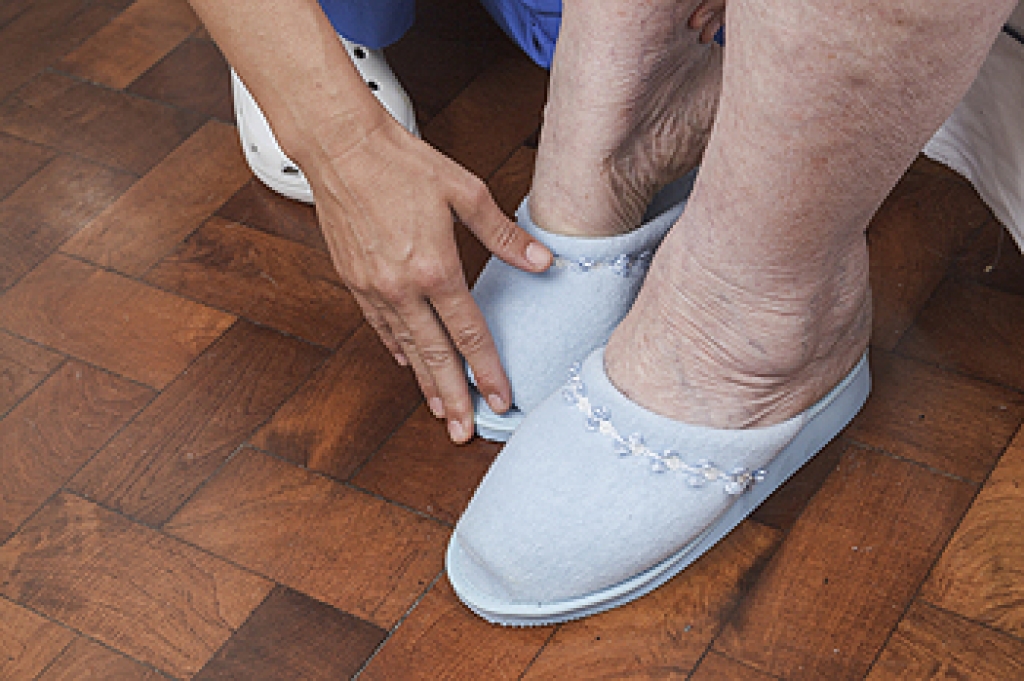
Falls can cause serious injuries and reduce a person’s confidence when standing or walking. Adults age 65 and older face a greater risk because balance, vision, and muscle strength can change with age. Foot pain, numbness, and weak ankles can make each step less steady. A podiatrist can assess the feet and ankles to identify problems that affect stability. This assessment includes checking joint movement, muscle strength, and sensation. The podiatrist can also study how a patient stands and walks.
Properly-fitted shoes are an important part of fall prevention. Shoes with wide soles, low heels, and slip-resistant outsoles can provide a more stable base. Secure laces or fasteners help keep the feet from sliding inside the shoes. Soles should be firm enough to provide support but flexible enough for a natural step. A podiatrist can check whether a patient’s shoes fit correctly and meet their needs. Custom orthotics can improve weight distribution and support foot alignment. They can also reduce painful pressure that changes the way a person walks. When foot pain is controlled, patients may feel more confident and move with greater stability.
Strong feet and ankles help the body respond to changes in the ground or an unexpected loss of balance. Research suggests that foot-strengthening exercises can increase foot strength and reduce concerns about falling. A podiatrist can recommend safe movements based on the patient’s health, balance, and ability. The plan can focus on foot strength, ankle control, and steadier movement. Regular foot exams are also valuable because reduced feeling, painful joints, or skin problems can make walking less secure. The podiatrist can treat these concerns and monitor changes that could raise fall risk. Patients should seek prompt care after a fall or when they notice frequent stumbling, new weakness, or trouble feeling the ground. If you have injured your foot and ankle from falling, it is suggested that you schedule an appointment with a podiatrist for effective relief, treatment, and additional fall prevention tips.
Preventing falls among the elderly is very important. If you are older and have fallen or fear that you are prone to falling, consult with Mark Poplawski, DPM from Jersey Shore Podiatry, LLC. Our doctor will assess your condition and provide you with quality advice and care.
Every 11 seconds, an elderly American is being treated in an emergency room for a fall related injury. Falls are the leading cause of head and hip injuries for those 65 and older. Due to decreases in strength, balance, senses, and lack of awareness, elderly persons are very susceptible to falling. Thankfully, there are a number of things older persons can do to prevent falls.
How to Prevent Falls
Some effective methods that older persons can do to prevent falls include:
Falling can be a traumatic and embarrassing experience for elderly persons; this can make them less willing to leave the house, and less willing to talk to someone about their fears of falling. Doing such things, however, will increase the likelihood of tripping or losing one’s balance. Knowing the causes of falling and how to prevent them is the best way to mitigate the risk of serious injury.
If you have any questions, please feel free to contact our office located in Toms River, NJ . We offer the newest diagnostic and treatment technologies for all your foot care needs.
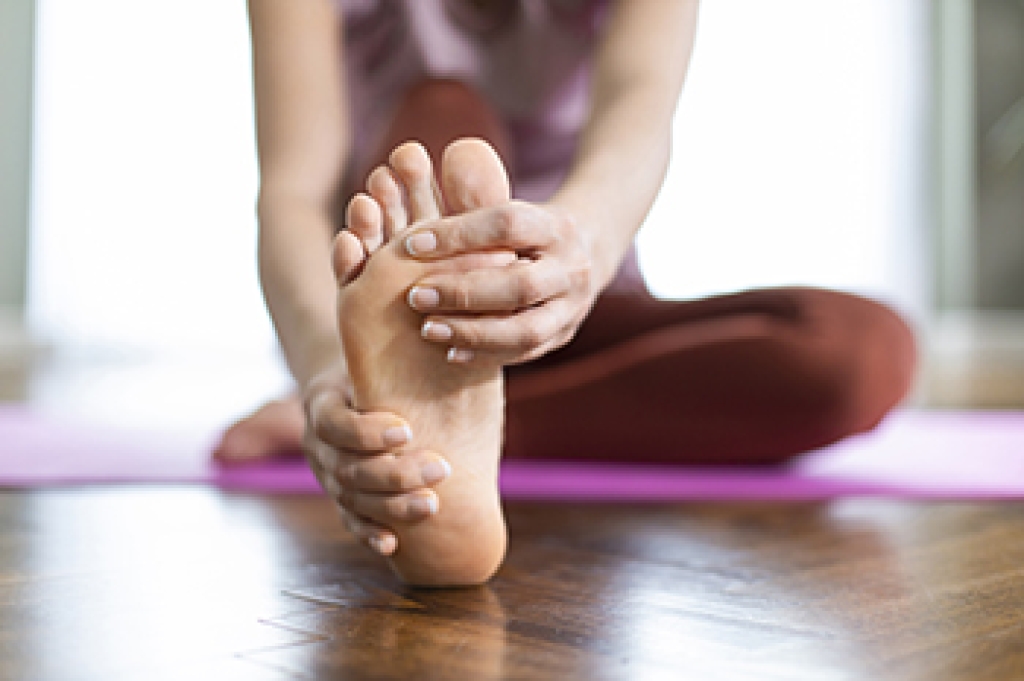
Toe pain can make standing, walking, and other daily activities uncomfortable. The big toe is especially important because it helps support balance and movement. Pain can develop from an injury or a problem affecting the joint. Arthritis can cause stiffness and discomfort at the base of the big toe, making walking more difficult. Gout can also affect this joint when uric acid crystals build up and trigger painful inflammation. Other causes include an ingrown toenail, a fracture, or a bunion. A bunion forms when the bones at the base of the big toe shift out of alignment.
Sports and repeated stress can also lead to toe pain. Turf toe occurs when the big toe bends upward too far or becomes jammed. Running and repeated jumping can place added stress on this joint. Another problem is sesamoiditis, which involves irritation around the small bones beneath the big toe. This condition can affect runners and dancers. Toe fractures can occur after kicking a hard object, dropping something heavy on the foot, or repeatedly stressing the toe. A podiatrist can evaluate how toe pain affects foot movement, balance, and the way a patient walks.
Podiatric care can focus on movement problems that contribute to discomfort in the toe and nearby joints. A podiatrist can examine the foot, ankle, and lower leg to determine whether limited motion or poor joint mechanics are adding stress. Treatment can include gentle joint mobilization, guided stretching, and strengthening exercises when appropriate for the cause. A podiatrist can also assess walking patterns and determine whether movement elsewhere in the lower body is affecting the foot. Severe pain, recurring symptoms, or difficulty completing daily activities deserves careful evaluation. If you have toe pain, it is suggested that you schedule an appointment with a podiatrist for a diagnosis and appropriate treatment.
Toe pain can disrupt your daily activities. If you have any concerns, contact Mark Poplawski, DPM of Jersey Shore Podiatry, LLC. Our doctor can provide the care you need to keep you pain-free and on your feet.
What Causes Toe Pain?
Most severe toe pain is caused due to a sports injury, trauma from dropping something heavy on the toe, or bumping into something rigid. Other problems can develop over time for various reasons.
Toe pain can be caused by one or more ailments. The most common include:
When to See a Podiatrist
Diagnosis
In many cases the cause of toe pain is obvious, but in others, a podiatrist may want to use more advanced methods to determine the problem. These can range from simple visual inspections and sensation tests to X-rays and MRI scans. Prior medical history, family medical history, and any recent physical traumatic events will all be taken into consideration for a proper diagnosis.
Treatment
Treatments for toe pain and injuries vary and may include shoe inserts, padding, taping, medicines, injections, and in some cases, surgery. If you believe that you have broken a toe, please see a podiatrist as soon as possible.
If you have any questions please contact our office located in Toms River, NJ . We offer the newest diagnostic and treatment technologies for all your foot and ankle needs.

The Achilles tendon is a strong band of tissue that connects the calf muscles to the heel bone. It helps the foot push off the ground when walking, running, or jumping. An injury can range from irritation caused by repeated strain to a partial or complete tear. Symptoms include pain near the back of the heel, swelling, and stiffness. An Achilles tendon tear can cause a popping sensation and weakness. Some patients feel as though they were kicked in the calf. They may have trouble bearing weight, pushing off the injured foot, or standing on their toes.
Achilles tendon injuries can occur when the tendon is placed under sudden or repeated stress. Running, jumping, and quickly changing direction can raise the risk. A missed step or fall can also cause a tear. Risk factors include tight calf muscles, a previous Achilles tendon injury, and a sudden increase in activity. Pain that appears gradually can signal inflammation or minor tendon damage. Sudden pain with a pop, loss of strength, or difficulty walking can point to a more serious tear and requires immediate help.
A podiatrist typically asks how the injury happened and examines the back of the ankle for pain, swelling, and weakness. The examination also checks ankle movement and the tendon’s ability to support a push-off motion. Ultrasound or MRI imaging may be ordered to confirm whether the tendon is irritated, partly torn, or completely torn. Treatment depends on the location and severity of the damage. A podiatrist can protect the tendon with a cast, brace, or walking boot while it heals. Follow-up visits allow the podiatrist to monitor healing and guide a safe return to activity. If you have an Achilles tendon injury, it is suggested that you schedule an appointment with a podiatrist for effective relief and treatment solutions.
Achilles tendon injuries need immediate attention to avoid future complications. If you have any concerns, contact Mark Poplawski, DPM of Jersey Shore Podiatry, LLC. Our doctor can provide the care you need to keep you pain-free and on your feet.
What Is the Achilles Tendon?
The Achilles tendon is a tendon that connects the lower leg muscles and calf to the heel of the foot. It is the strongest tendon in the human body and is essential for making movement possible. Because this tendon is such an integral part of the body, any injuries to it can create immense difficulties and should immediately be presented to a doctor.
What Are the Symptoms of an Achilles Tendon Injury?
There are various types of injuries that can affect the Achilles tendon. The two most common injuries are Achilles tendinitis and ruptures of the tendon.
Achilles Tendinitis Symptoms
Rupture Symptoms
Treatment and Prevention
Achilles tendon injuries are diagnosed by a thorough physical evaluation, which can include an MRI. Treatment involves rest, physical therapy, and in some cases, surgery. However, various preventative measures can be taken to avoid these injuries, such as:
If you have any questions please feel free to contact our office located in Toms River, NJ . We offer the newest diagnostic tools and technology to treat your foot and ankle needs.
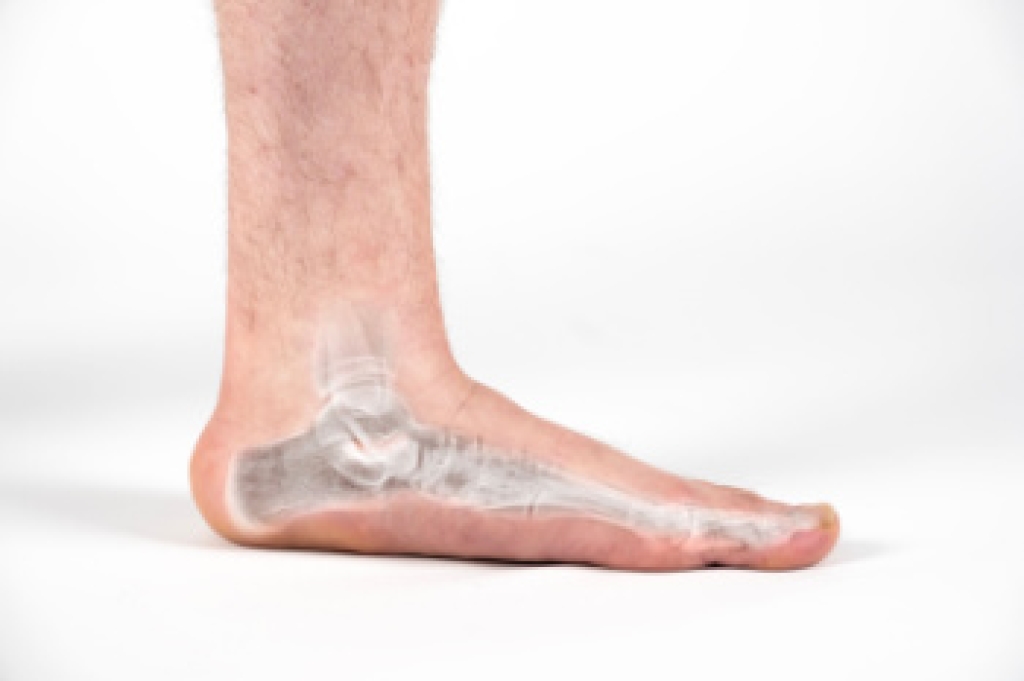
Flat feet occur when the arches on the inside of the feet are low or appear flattened while standing. This causes more of the sole to make contact with the ground. Flat feet are common, and many people have no pain or difficulty with movement. In children, the arch may not become noticeable until around 10 years of age. Some people continue to have flat feet as adults without experiencing problems. However, others may develop discomfort that affects walking or physical activity. Flat feet can be flexible, meaning an arch appears when the foot is not bearing weight, or rigid, meaning the arch remains flat.
Several factors can contribute to flat feet. Some people inherit a foot shape that makes flattened arches more likely. Other cases may develop because of problems affecting the muscles, ligaments, or bones that support the feet. Flat feet may also become more noticeable with age as the structures supporting the arch change. When symptoms occur, people may experience pain around the arch or heel. The feet may also become tired more easily after standing or walking. In some cases, flat feet can affect how the ankles and legs are positioned during movement. A professional evaluation can help determine whether flattened arches are contributing to discomfort or changes in walking.
A podiatrist examines the feet while a patient stands and walks to assess arch structure and overall foot function. The evaluation may also include checking joint movement and identifying areas of pain. If flat feet are causing symptoms, podiatry treatment can be based on the individual’s foot structure and level of discomfort. A podiatrist may recommend professionally selected footwear or orthotic devices when appropriate. Further testing may be needed if another problem is suspected. If flat feet are causing persistent pain or making walking and physical activity difficult, it is suggested that you consult a podiatrist for an evaluation and appropriate treatment options.
Flatfoot is a condition many people suffer from. If you have flat feet, contact Mark Poplawski, DPM from Jersey Shore Podiatry, LLC. Our doctor will treat your foot and ankle needs.
What Are Flat Feet?
Flatfoot is a condition in which the arch of the foot is depressed and the sole of the foot is almost completely in contact with the ground. About 20-30% of the population generally has flat feet because their arches never formed during growth.
Conditions & Problems:
Having flat feet makes it difficult to run or walk because of the stress placed on the ankles.
Alignment – The general alignment of your legs can be disrupted, because the ankles move inward which can cause major discomfort.
Knees – If you have complications with your knees, flat feet can be a contributor to arthritis in that area.
Symptoms
Treatment
If you are experiencing pain and stress on the foot you may weaken the posterior tibial tendon, which runs around the inside of the ankle.
If you have any questions, please feel free to contact our office located in Toms River, NJ . We offer the newest diagnostic and treatment technologies for all your foot care needs.
